
The bond market has effectively pre-empted the Federal Reserve's next move. Fed funds futures now assign a 48.4% probability to a quarter-point rate hike by the December 2026 Federal Open Market Committee meeting, a dramatic jump from just 14.3% a week ago, according to the CME FedWatch Tool. The repricing comes as the 10-year Treasury yield surged to 4.579% (its highest level in a year) and the 30-year yield breached 5% to hit 5.1178%. This yield spike is forcing the hand of Kevin Warsh, the newly confirmed Fed chair who is preparing for his first policy meeting with the federal funds rate currently sitting at 3.50%??.75%, where it has been held since December 2025. The catalyst is straightforward: hot inflation data this week shattered the narrative that the Fed's 75 basis points of cuts in 2025 were the beginning of a sustained easing cycle. Instead, markets are now pricing a 60% chance of a hike by the January 2027 meeting, with December seen as a coin toss. The 2-year Treasury yield has already climbed above the Fed's upper bound of 3.75%, signaling that bond investors are demanding higher compensation for inflation risk. The dollar index rose 0.5% to 99.28, notching its largest weekly gain in two months, as currency traders piled into rate-hike bets. For Warsh, the message from the bond market is unambiguous: the era of cheap money is over, and the new chair must decide whether to validate the market's tightening expectations or risk losing credibility.
The CME FedWatch swing that tripled hike odds in one week
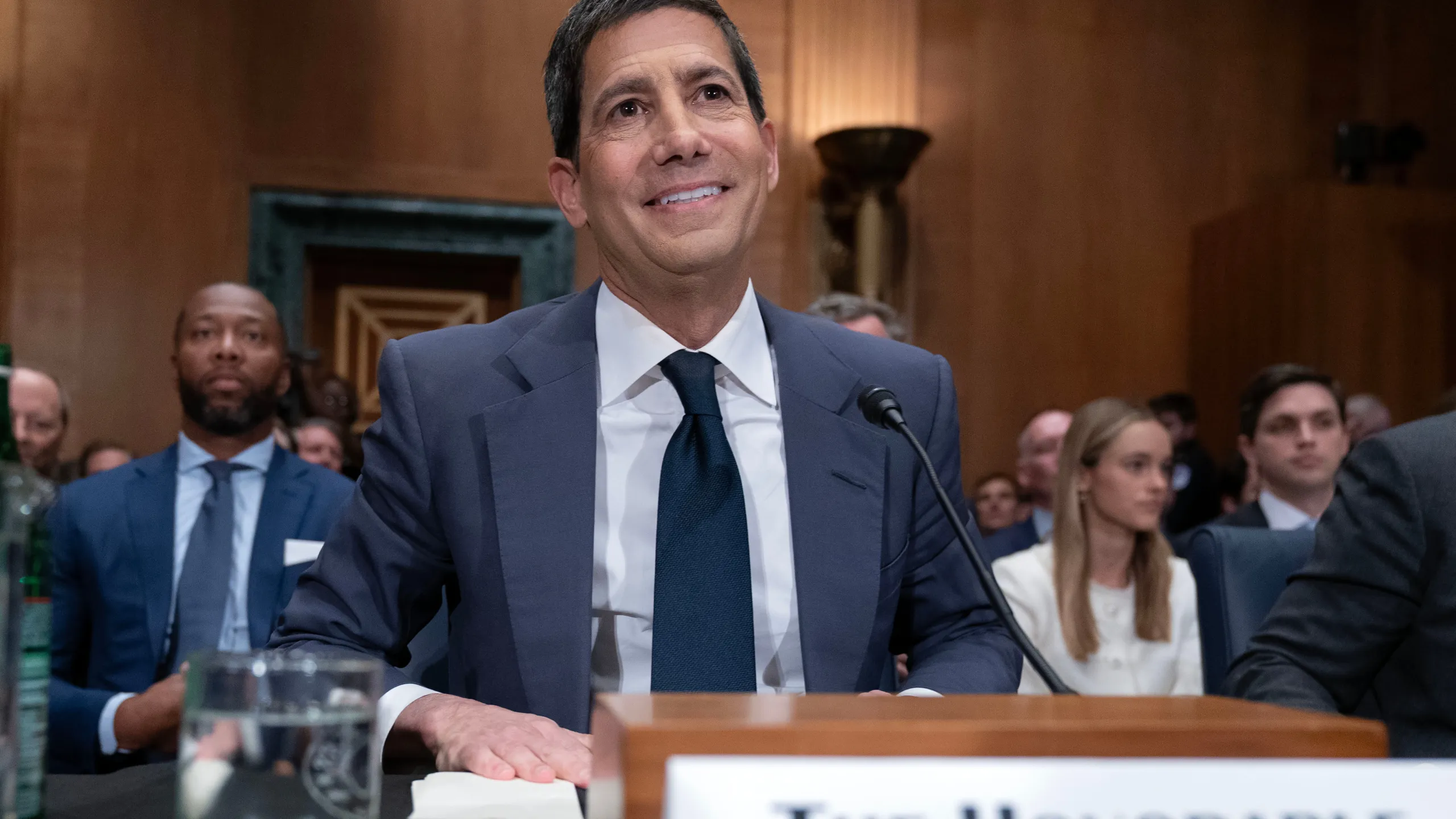
The CME FedWatch Tool, which tracks fed funds futures contracts to derive implied probabilities of Fed rate moves, recorded the sharpest one-week swing in pricing since the regional banking crisis of 2023. On May 10, the probability of a December 2026 rate hike stood at 14.3%. By May 17, it had more than tripled to 48.4%. The movement was driven by two distinct forces. First, the April inflation report came in hotter than consensus estimates, with core inflation measures accelerating. Second, three Fed officials dissented against the April FOMC statement, a rare public fracture that signaled internal hawkish pressure. Bank of America analysts characterized the shift as a transition from "stagflation to reflation" in market narratives, a distinction that carries significant implications for asset allocation. The pricing implies that the Fed's next move is no longer a cut but a hike, and the market is now treating the 3.50%??.75% rate floor as a launching pad rather than a ceiling. Wellington Management's Brij Khurana has noted that the bond market is effectively "hiking rates" ahead of the Fed, compressing the central bank's policy space. The 2-year yield, which is most sensitive to Fed rate expectations, now sits above the upper bound of the Fed's target range, a condition that historically has preceded actual rate increases. For Warsh, the data-driven case for a hike is building faster than the consensus expected. The three dissents at the April meeting represent the largest internal revolt since the 2023 banking turmoil, giving Warsh a clear signal that his hawkish allies on the committee expect action.
How bank earnings and HYSA yields respond to the repricing
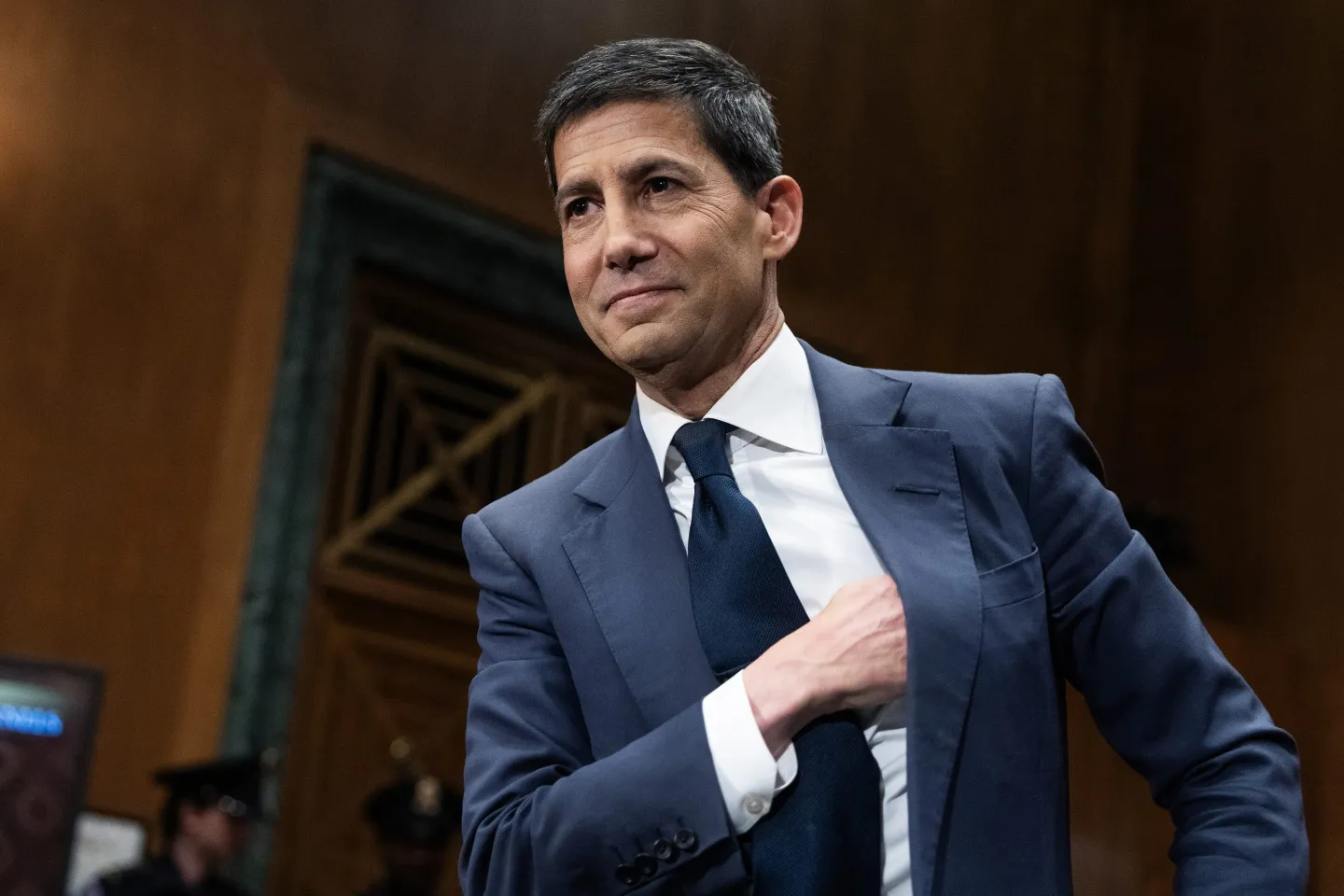
The immediate winners from a higher-for-longer rate regime are banks and online savings platforms. Varo Bank currently offers the top high-yield savings account rate at 5.00% APY, followed by GO2bank and St. Mary's Credit Union at 4.50%, Pibank at 4.40%, and Elevault at 4.34%. These rates are unlikely to decline in the near term if the Fed holds or hikes, providing a sustained tailwind for deposit-gathering institutions. For Wells Fargo and Bank of America, the calculus is more complex. Their net interest margins expanded during the 2022??023 tightening cycle, but the 75 basis points of cuts in 2025 compressed those gains. Now, the prospect of a rate hike reverses that compression. Bank of America analysts have noted that the shift from stagflation to reflation expectations improves the outlook for loan yields and reduces the risk of credit deterioration tied to a recession. However, the yield curve remains inverted, with the 2-year yield above the 10-year, which squeezes the traditional banking model of borrowing short and lending long. Regional banks like Newtek Bank, Axos Bank, and Vio Bank, which rely more heavily on wholesale funding, face a different pressure: rising deposit costs will eat into margins if the Fed hikes but long-term bond yields continue to climb. The dollar's strength, driven by rate hike bets, also creates headwinds for multinational banks with significant overseas earnings, as FX translation effects reduce reported revenue.
The competitive reshuffle: winners and losers as hike odds surge
The repricing of rate hike expectations creates clear winners and losers across financial markets. On the winning side, money market funds and short-duration fixed-income strategies benefit directly from higher short-term rates. The dollar index's 0.5% climb to 99.28, its largest weekly gain in two months, pressures emerging market currencies and dollar-denominated debt issuers. Erik Nelson, a macro strategist at Wellington Management, has highlighted that the dollar's strength is self-reinforcing: higher rate hike odds attract capital inflows, which push the dollar higher, which in turn tightens financial conditions globally. The losers include long-duration bond holders, as the 30-year yield breaching 5% erodes the value of existing fixed-rate portfolios. For corporate borrowers, the spike in the 10-year yield to 4.579% raises the cost of issuing debt, particularly for investment-grade companies that benchmark to Treasuries. Climate First Bank, a smaller institution focused on green lending, faces a particularly acute squeeze: its loan book is concentrated in long-duration renewable energy projects that become less viable as discount rates rise. On the equity side, growth stocks and technology names that trade on future cash flows are the most vulnerable to a rising rate environment, as higher discount rates compress present values. The three dissents at the April FOMC meeting signal that internal Fed hawks are gaining influence, which could accelerate the pace of policy tightening and further pressure risk assets.
Downstream effects on hyperscalers, enterprise buyers, and housing
The second-order effects of a potential rate hike cascade through the real economy with distinct sectoral impacts. For hyperscalers like Amazon Web Services, Microsoft Azure, and Google Cloud, the cost of capital for their massive data center buildouts rises directly with the 10-year yield. These companies have committed tens of billions of dollars to AI infrastructure, and a 4.58% risk-free rate raises the hurdle rate for those projects. Enterprise technology buyers face a similar dynamic: as the cost of debt increases, corporate IT budgets tighten, and procurement cycles lengthen. The housing market, already strained by elevated mortgage rates, faces renewed pressure. The 30-year fixed mortgage rate, which tracks the 10-year yield, is likely to push above 7% again, further suppressing home sales and refinancing activity. For St. Mary's Credit Union and other community lenders, this means lower origination volumes and higher prepayment risk on existing portfolios. The dollar's strength also creates headwinds for exporters, as U.S. goods become more expensive in foreign markets. The bond market's implicit tightening (with the 30-year yield above 5%) effectively does the Fed's work for it, slowing economic activity without a formal rate hike. This dynamic is particularly challenging for Warsh, who must decide whether to formalize the market's tightening or allow the bond market to continue doing the heavy lifting, risking a disorderly adjustment if inflation does not moderate.
What the bond market's message means for Warsh's first meeting
Kevin Warsh's confirmation as Fed chair comes at a moment when the bond market has already stripped away the central bank's optionality. The 2-year yield above 3.75% and the 30-year yield above 5% represent a coordinated signal from fixed-income investors that the current policy rate is too accommodative given the inflation trajectory. Warsh, a former Fed governor known for his hawkish leanings during the 2008 crisis, faces a strategic choice. He can validate the market's expectations by signaling readiness to hike at the next meeting, which would likely stabilize yields and reinforce the dollar's strength. Alternatively, he can push back against the market pricing, arguing that the economy needs more time to absorb the 75 basis points of cuts delivered in 2025. The latter path risks a further selloff in Treasuries, which would tighten financial conditions even more aggressively than a formal rate hike. John Williams, the New York Fed president, has described current policy as being in a "good place," but the three dissents in April suggest internal disagreement. The Bank of America analysis framing the shift as "reflation" rather than "stagflation" is crucial: it implies that the economy is growing fast enough to absorb higher rates without triggering a recession. For Warsh, the bond market's message is that the era of forward guidance and data dependence is over. The market is now leading, and the Fed must decide whether to follow.
The next six weeks will determine whether the 48.4% probability becomes a certainty. Warsh's first FOMC meeting in June will be the venue for his initial policy signal, and the market will parse every word of the statement and his press conference for clues about the trajectory. If the inflation data continues to run hot, the probability of a December hike will likely breach 60%, and the conversation will shift to the magnitude of tightening rather than its direction. The dollar's rally, if sustained, will amplify the tightening effect by depressing import prices, which could help cool inflation without further rate increases. But the bond market's message is clear: the Fed's 2025 easing cycle was a detour, not a destination. For savers, the HYSA rates above 4% will persist, and for borrowers, the cost of capital will remain elevated. The key variable is whether Warsh can manage the transition from a dovish to a hawkish regime without triggering a disorderly repricing in risk assets. The market has already priced the first move; the question is whether the Fed will follow.
The BossBlog Daily
One email with the AI markets brief — the 13F moves, the Congressional trades, and what changed. No fixed schedule and no filler: it goes out when there is something worth sending.
Unsubscribe any time. We never sell or share the list.