
Investors have ramped up bets on a Federal Reserve rate hike after hotter-than-expected inflation data in mid-May 2026, marking a dramatic pivot from the easing cycle that has defined monetary policy for the past two years. CME Group's FedWatch tool now shows a roughly 60% probability of a 25 basis point rate hike by the January 2027 Federal Open Market Committee meeting, with the chance of a move as soon as December 2026 sitting at nearly 51% ??effectively a coin toss. The shift is a direct repudiation of the current policy stance, where the Fed under Chair Jerome Powell has held the federal funds rate at 3.50%??.75% since December 2025 with an explicit easing bias. Three officials already dissented against the April policy statement over that dovish language, and the incoming chair, Kevin Warsh, now faces a messaging challenge as markets price in a tightening cycle before he has even taken the gavel. The Fed's April meeting minutes, due May 20, will be scrutinized for any signal that the committee is reconsidering its posture. This matters now because a premature rate hike, or a failure to communicate one clearly, risks destabilizing bond markets and reigniting volatility across equities, credit, and currencies, just as the global economy grapples with elevated energy prices and Middle East uncertainty.
The CME FedWatch repricing
The market repricing was triggered by hotter-than-expected inflation data in mid-May, which broke the narrative that price pressures were steadily converging toward the Fed's 2% target. The CME FedWatch tool, which tracks pricing in 30-day federal funds futures, recorded a sharp jump in the implied probability of a 25 basis point hike at the January 2027 FOMC meeting, from roughly 40% in early May to approximately 60% by May 16. The December 2026 meeting probability crossed the 50% threshold for the first time in the current cycle, settling near 51%, while the March 2027 meeting now implies a greater than 71% chance of a hike. These numbers represent a complete inversion of market expectations from just two months ago, when traders were pricing in a potential rate cut in mid-2026. The data from CME Group is unambiguous: for the first time since the Fed began its easing cycle, the next expected move is a hike, not a cut. The shift is concentrated in the front end of the curve, with the January contract showing the heaviest volume and open interest, suggesting institutional money is positioning for a near-term tightening. The move also reflects growing conviction that the current policy rate of 3.50%??.75% is no longer sufficiently restrictive given the inflation trajectory, and that the Fed will need to act before the turn of the year to maintain credibility. The volume spike in January contracts confirms that large asset managers are rebalancing their duration exposure in anticipation of a policy pivot.
Bank net interest margin effects
A rate hike from the current 3.50%??.75% level would have immediate and asymmetric effects on bank profitability, particularly for large institutions like Bank of America. Net interest margins, which have been compressing as the Fed held rates steady and deposit costs remained sticky, would widen sharply if the Fed delivers a 25 basis point hike. For Bank of America, which holds a large portfolio of fixed-rate securities and a substantial deposit base, a hike would boost net interest income by an estimated $500 million to $700 million annually, assuming the increase is passed through to loan yields faster than deposit costs. However, the benefit is not uniform across the sector. Regional banks with higher exposure to commercial real estate loans and variable-rate funding would see margin compression if the hike triggers a recession or a spike in loan-loss provisions. The market's repricing also creates a windfall for money market funds and short-duration fixed-income strategies, as the front end of the curve reprices higher. For the Fed itself, a hike would increase the interest it pays on reserve balances, which currently runs at the top of the target range, adding to the central bank's net interest expense. The Treasury, meanwhile, would face higher borrowing costs on short-term debt issuance, as the yield on 2-year notes has already climbed in anticipation of the move. With the April FOMC minutes due May 20 and Middle East uncertainty keeping a bid under energy prices, fixed-income desks are bracing for a volatile repricing of the entire front end of the curve well before the December meeting, a dynamic that further widens the gap between money center and regional bank outcomes.
Winners and losers across financial markets
The sudden shift toward a rate hike creates clear winners and losers across financial markets. The most immediate beneficiaries are short-volatility and long-duration hedge funds that have been positioned for a continuation of the easing cycle; they now face a painful unwind. Conversely, macro funds that anticipated the inflation surprise and positioned for a steepening yield curve are sitting on substantial gains. In the banking sector, the divergence is stark. Money center banks like Bank of America and JPMorgan Chase, with diversified revenue streams and large trading operations, can absorb the volatility and benefit from wider spreads. Regional banks, particularly those with outsized exposure to commercial real estate, face a more precarious outlook as higher rates increase the risk of loan defaults and reduce the present value of their fixed-rate asset portfolios. The asset management industry is also reshuffling: BlackRock and Vanguard, which manage trillions in fixed-income ETFs, are seeing inflows into short-duration funds as investors seek to capture higher yields, while long-duration bond funds are experiencing redemptions. In the derivatives market, CME Group benefits directly from the surge in trading volume and volatility, as its FedWatch tool becomes the benchmark for rate expectations and its futures and options contracts see increased open interest. The re-pricing also pressures the primary dealer community, which must manage inventory risk as the yield curve shifts.
Corporate borrowing and capex implications
The market's repricing of a rate hike by early 2027 will cascade through corporate balance sheets and capital expenditure plans. Companies that have been financing growth through variable-rate debt, particularly in the technology and healthcare sectors, face an immediate increase in interest expense. A 25 basis point hike on a $1 billion revolving credit facility translates to an additional $2.5 million in annual interest costs, a manageable but non-trivial sum for firms operating on thin margins. The larger impact is on investment-grade bond issuance: the Bloomberg U.S. Aggregate Bond Index yield has already moved higher in anticipation, pushing up the cost of new debt offerings. For the hyperscalers, Amazon, Microsoft, and Google, which are in the midst of a massive capex cycle for AI infrastructure, higher rates increase the weighted average cost of capital and may prompt a reassessment of project timelines, though their cash-rich balance sheets provide a buffer. The energy sector, already grappling with elevated prices due to Middle East uncertainty, faces a dual headwind: higher rates increase the cost of drilling and exploration capex, while a stronger dollar, a likely consequence of a rate hike, reduces the dollar-denominated revenue from oil exports. The housing market, which had shown signs of stabilization at the current rate level, will see mortgage rates rise again, further compressing affordability and slowing homebuilding activity. For the Fed's own portfolio, a hike would increase the interest expense on its $7 trillion balance sheet, adding to the central bank's remittances to the Treasury.
Warsh's strategic bind
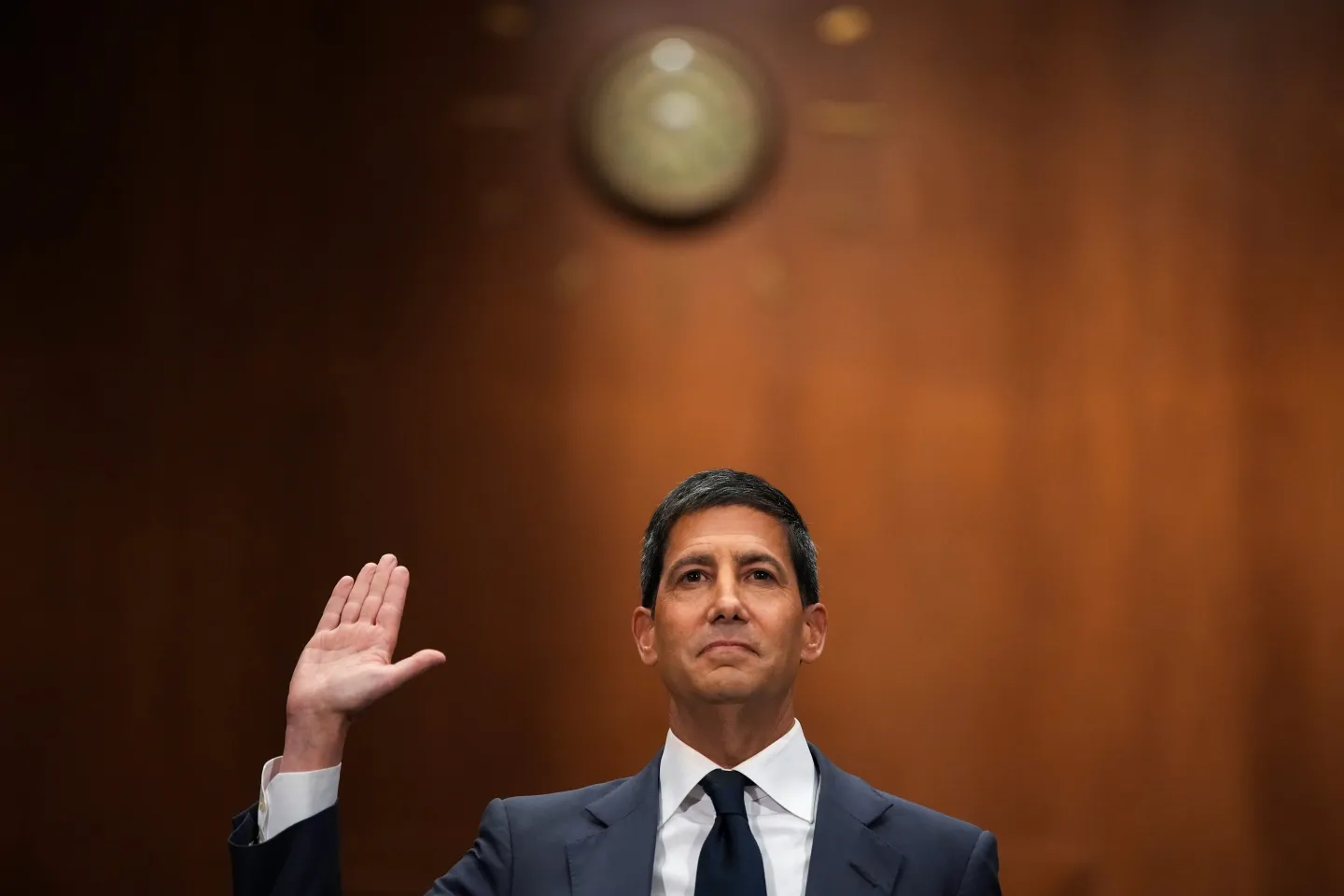
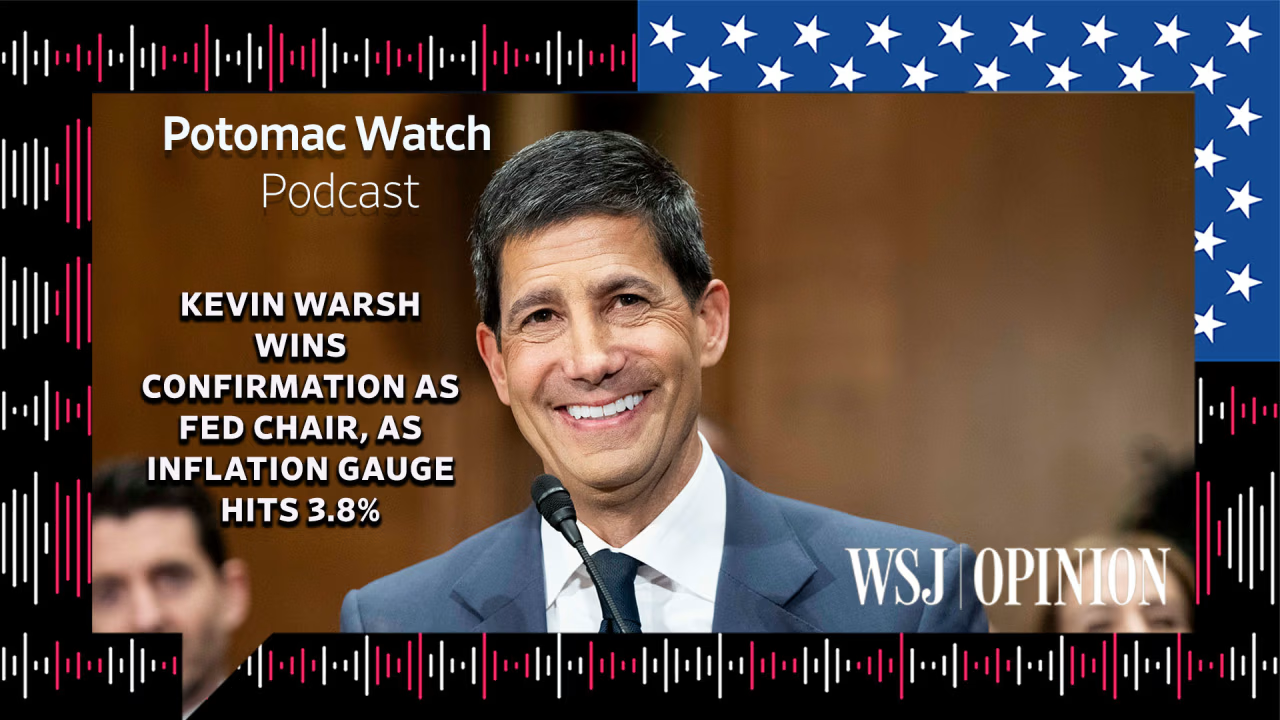
The market's repricing places incoming Fed Chair Kevin Warsh in an immediate strategic bind. Warsh, who has not yet publicly articulated his policy framework, must decide whether to validate the market's hawkish expectations or push back against them to avoid a disorderly tightening of financial conditions. The April meeting minutes, due May 20, will be the first test: if they show that the three dissenting officials, who objected to the easing bias, are gaining support, the market will interpret that as a green light for a hike. Warsh's dilemma is compounded by the fact that the current Fed under Powell has maintained an easing bias since December, and a sudden reversal risks undermining the credibility of forward guidance. The policy signal from a hike would be unmistakable: the Fed is prioritizing inflation fighting over growth support, even as the global economy faces headwinds from the Middle East conflict and elevated energy prices. Warsh must also consider the international spillovers: a rate hike would strengthen the dollar, putting pressure on emerging market currencies and forcing central banks in Asia and Latin America to tighten as well. The Bank of Japan and the People's Bank of China, which are already managing their own inflation dynamics, would face additional complexity. For Warsh, the path forward requires a delicate calibration: acknowledge the inflation data, signal a willingness to act, but avoid committing to a specific timeline that could be overtaken by events. The market, for now, is doing the work for him, pricing in a hike that he may or may not deliver.
The trajectory of rate expectations over the next three months will hinge on the May CPI and PCE prints, due in June and July respectively, and on whether the Middle East conflict escalates further, driving energy prices higher. If inflation remains sticky above 3%, the probability of a December hike will move from a coin toss to a near-certainty, and Warsh will have no choice but to deliver a hike at his first FOMC meeting in February 2027. If the data softens, he can use the intervening months to walk back expectations without a disruptive policy reversal. Either way, the era of easy money is over, and the new chair's first major test will be managing the transition from easing to tightening without breaking the bond market. The April minutes will provide the first clue, but the real signal will come from Warsh's own public statements, which will be parsed for any hint of his inflation tolerance and reaction function. For now, the market has spoken: the next move is a hike, and the only question is when.
The BossBlog Daily
One email with the AI markets brief — the 13F moves, the Congressional trades, and what changed. No fixed schedule and no filler: it goes out when there is something worth sending.
Unsubscribe any time. We never sell or share the list.