
Senator Elizabeth Warren has declared that Office of the Comptroller of the Currency charters for crypto firms including Ripple and Coinbase are unlawful, escalating a regulatory clash that threatens to reshape the U.S. digital asset landscape. In a letter to the OCC, Warren argued that companies seeking a federal banking charter are doing so in direct response to the stablecoin law passed last summer, which she claims did not authorize such charters for crypto-native businesses. The crypto industry has pushed back forcefully, defending the charters as a legitimate path to regulatory clarity and integration with the traditional financial system. The dispute centers on whether the OCC overstepped its statutory authority by granting national bank charters to firms whose primary business involves digital assets rather than traditional deposit-taking and lending. This battle arrives as stablecoins and tokenization become central themes in crypto regulation and adoption, with institutions like VanEck and the Bank for International Settlements exploring tokenized asset infrastructure. Why this matters now: the OCC charter fight will determine whether crypto firms can operate on equal footing with traditional banks, directly impacting the competitive dynamics of the $200 billion stablecoin market and the broader push to tokenize real-world assets.
Where the OCC Charter Authority Collides with Stablecoin Law
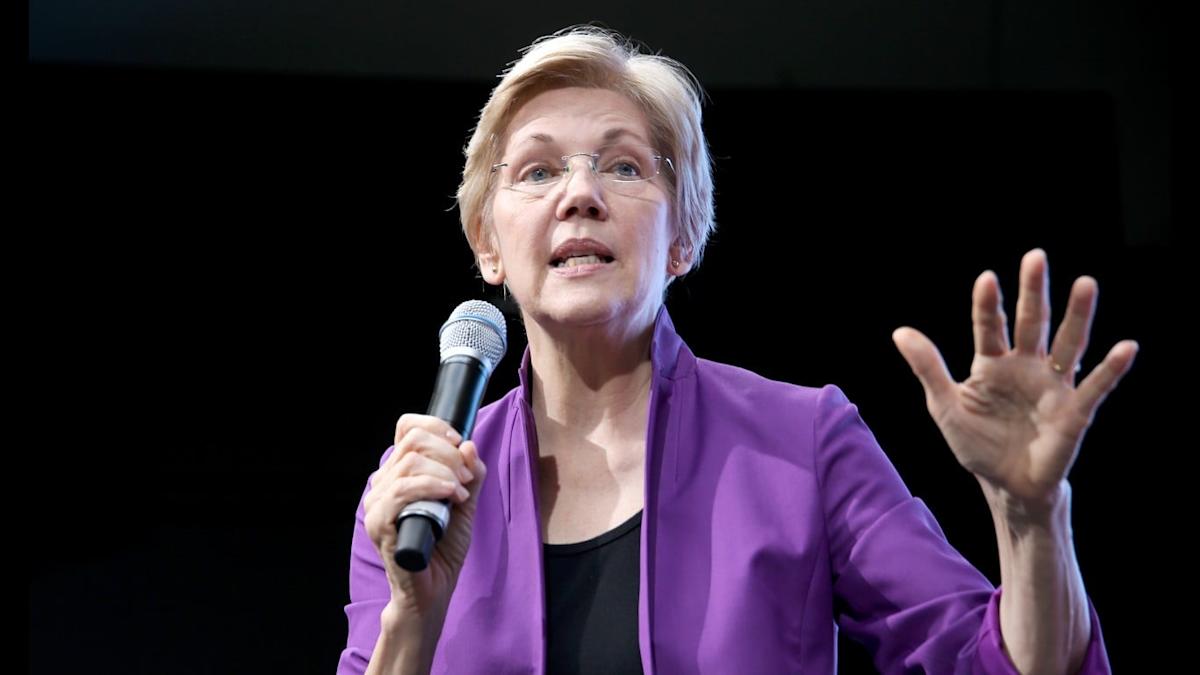
The core legal dispute turns on the interaction between the National Bank Act and the stablecoin legislation passed in the summer of 2025. Warren contends that the stablecoin law created a specific regulatory framework for payment stablecoins but did not grant the OCC authority to charter firms whose primary business involves digital assets. The OCC, under its existing authority, has historically granted charters to companies that engage in the business of banking, defined as accepting deposits, paying checks, and lending money. Crypto firms like Ripple and Coinbase generate revenue primarily from transaction fees, trading spreads, and digital asset custody rather than traditional banking activities. Warren argues that granting these firms federal charters would create a regulatory loophole, allowing crypto companies to operate as banks without adhering to the same capital requirements, consumer protections, and supervisory oversight that apply to traditional banks. The crypto industry counters that the OCC has broad discretion to define what constitutes the business of banking, and that digital asset custody, payment processing, and stablecoin issuance are functionally equivalent to traditional banking services. The outcome of this legal interpretation will set a precedent for whether the OCC can charter any digital asset firm, or whether Congress must pass new legislation explicitly authorizing such charters. The OCC itself has not publicly clarified whether it considers stablecoin issuance a form of deposit-taking, a definitional gap that both sides exploit in their arguments.
How the Charter Fight Reshapes Crypto Firm Profitability
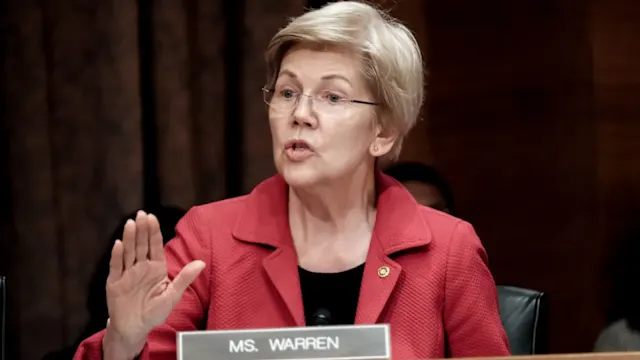
The financial stakes for Ripple and Coinbase are enormous. A federal OCC charter would allow these firms to operate across state lines without obtaining money transmitter licenses in each jurisdiction, reducing compliance costs by an estimated 30-50%. For Coinbase, which reported $3.2 billion in revenue in 2025, the charter would enable it to offer banking services directly to its 110 million verified users, including interest-bearing accounts, lending products, and payment services that currently require partnerships with traditional banks. Ripple, which processes cross-border payments for financial institutions, would gain the ability to hold customer funds directly and settle transactions on its balance sheet, eliminating the need for correspondent banking relationships that add 2-5 days to settlement times. The stablecoin law passed last summer created a federal framework for payment stablecoins, but without an OCC charter, crypto firms must rely on state-level trust charters or partnerships with insured depository institutions to issue stablecoins. This patchwork regulatory structure adds operational complexity and cost. A federal charter would allow Ripple and Coinbase to issue their own stablecoins directly, capturing the float income on reserve assets that currently flows to partner banks. For context, the largest stablecoin issuers earn approximately $5-10 billion annually from Treasury bill yields on their reserve portfolios. The charter decision will determine whether crypto firms capture that economic value or continue to cede it to traditional banks.
Who Gains and Who Loses in the Competitive Reshuffle
The charter fight creates clear winners and losers across the crypto and traditional finance landscape. If the OCC charters stand, Ripple and Coinbase gain a structural advantage over competitors like MoonPay and smaller crypto exchanges that lack federal charters. MoonPay, which recently expanded into tokenized assets and DeFi markets with a new platform for banks, would need to either seek its own OCC charter or partner with chartered entities to compete on equal footing. Traditional banks like JPMorgan Chase and Goldman Sachs, which have been slow to embrace digital asset services, would face new competition from federally chartered crypto firms that can offer banking services without the legacy cost structures of branch networks and legacy technology. The winners also include institutional investors like VanEck, whose tokenized fund recently landed on Euler as DeFi courts Wall Street institutions. A federally chartered crypto banking system would provide the regulatory certainty that institutional capital requires to allocate meaningfully to tokenized assets. The losers include state regulators who have built money transmitter licensing regimes that generate significant fee revenue. States like New York, which operates the BitLicense program, would see their regulatory authority diminished as firms opt for federal charters. The BIS project on tokenization found that cross-border payments could become faster and safer through tokenization, but only if regulatory frameworks support interoperability. The OCC charter dispute will determine whether the U.S. adopts a federal or state-led approach to crypto regulation, with direct implications for which firms capture market share in the growing tokenization market.
Downstream Effects on Stablecoin Issuance, DeFi, and Enterprise Adoption
The OCC charter decision will cascade through the crypto ecosystem, affecting stablecoin issuance, DeFi protocols, and enterprise adoption. If Ripple and Coinbase obtain federal charters, they can issue stablecoins directly, increasing the supply of regulated digital dollars and potentially displacing unregulated offshore stablecoins. This would accelerate the trend of stablecoins becoming the default payment layer for AI agents, as a recent report highlighted. The increased supply of regulated stablecoins would flow into DeFi protocols like Euler, which recently listed VanEck's tokenized fund, creating deeper liquidity for tokenized real-world assets. Enterprise adoption would accelerate as corporations gain confidence that their stablecoin holdings are backed by federally regulated entities. The downstream effects extend to crypto miners and infrastructure providers like Bitmine, which recently made its largest ETH purchase this year at 111,942 ether worth $237 million, despite Tom Lee's suggestion to slow down. A favorable OCC ruling would boost crypto asset prices, improving miner profitability and encouraging capital expenditure on mining hardware and data center infrastructure. Conversely, if Warren succeeds in blocking the charters, crypto firms remain dependent on state-level regulation and partnerships with traditional banks, limiting their ability to scale stablecoin issuance and DeFi integration. The BIS project found that tokenization could make cross-border payments faster and safer, but regulatory fragmentation is the primary barrier to adoption. A recent industry report identifies crypto rails as the emerging default payment layer for AI agents executing autonomous transactions — a use case that demands federally chartered counterparties capable of meeting institutional compliance requirements. Without OCC charters, AI agent payment volumes will route through offshore or state-regulated intermediaries, fragmenting settlement risk and adding latency. The OCC decision will signal whether the U.S. intends to lead in tokenization or cede ground to jurisdictions like the EU and Singapore that have already established clear regulatory frameworks.
The Policy Signal: What the Charter Fight Says About Crypto Regulation's Future
The Warren-OCC clash is more than a legal dispute; it is a policy signal about the trajectory of U.S. crypto regulation. Warren's opposition reflects a broader skepticism among progressive Democrats toward integrating crypto into the traditional financial system. Her argument that crypto firms are seeking charters to evade the stablecoin law's intent makes clear that the stablecoin legislation passed last summer is insufficient to address the full scope of crypto-banking integration. The crypto industry's defense of the charters, led by firms like Ripple and Coinbase, signals that the industry views federal charters as essential to achieving regulatory parity with traditional banks. Commissioner Caroline D. Pham of the CFTC has advocated for a principles-based approach to crypto regulation, but the OCC charter dispute highlights the tension between agency discretion and congressional intent. That tension is not new: the SEC and CFTC have spent years disputing jurisdiction over digital assets, and the banking charter question now adds a third regulator with its own statutory mandate and enforcement toolkit to an already fragmented landscape. The outcome will determine whether the U.S. adopts a bank-centric model for crypto regulation, where digital asset firms operate under traditional banking supervision, or a separate regulatory framework tailored to crypto's unique characteristics. The BIS project on tokenization and VanEck's tokenized fund both demonstrate that institutional adoption of crypto infrastructure is proceeding regardless of the regulatory outcome. The policy signal from the charter fight will guide how other agencies, including the SEC and CFTC, approach crypto regulation in the absence of comprehensive federal legislation.
The charter battle will likely extend into the courts, with a final resolution potentially taking years. But the market is already pricing in the outcome: crypto stocks and token prices have shown increased volatility around each regulatory development. If Warren prevails, expect crypto firms to pursue state-level charters and partnerships with traditional banks, creating a fragmented regulatory landscape that favors incumbents. If the OCC charters survive legal challenge, the U.S. will enter a new era of crypto-banking integration, with Ripple and Coinbase as the first federally chartered digital asset banks. Either outcome will set the regulatory foundation for the next phase of tokenization, stablecoin adoption, and institutional crypto participation.
The BossBlog Daily
One email with the AI markets brief — the 13F moves, the Congressional trades, and what changed. No fixed schedule and no filler: it goes out when there is something worth sending.
Unsubscribe any time. We never sell or share the list.