
The Federal Reserve's decision to hold interest rates steady is reshaping the investment landscape, creating a clear divergence between cash and equity markets. St. Louis Fed President William Poole stated that U.S. interest rates appear well positioned, signaling the central bank's readiness to act if economic conditions shift. This stance, reported by Reuters, reinforces the view that the Fed sees no immediate need for adjustment, leaving the federal funds rate anchored at its current level. For investors, this translates into a sustained yield advantage for cash-like instruments such as Treasury bills, which continue to offer attractive returns without the volatility of equities. The Barron's analysis underscores that an indefinite hold on rates creates a favorable environment for cash assets, as the opportunity cost of holding liquid reserves diminishes. However, the same policy introduces risk for stock portfolios, particularly as the market faces the prospect of an untested new Fed chair who will diverge from Jerome Powell's dovish approach. Yahoo Finance highlights that the stock market is not yet pricing in this leadership uncertainty, leaving portfolios exposed to a potential policy shock. The core tension is straightforward: the Fed's patience rewards savers and punishes risk-takers, and the longer rates stay elevated, the more this dynamic compounds.
The Rate Hold Rewards Cash
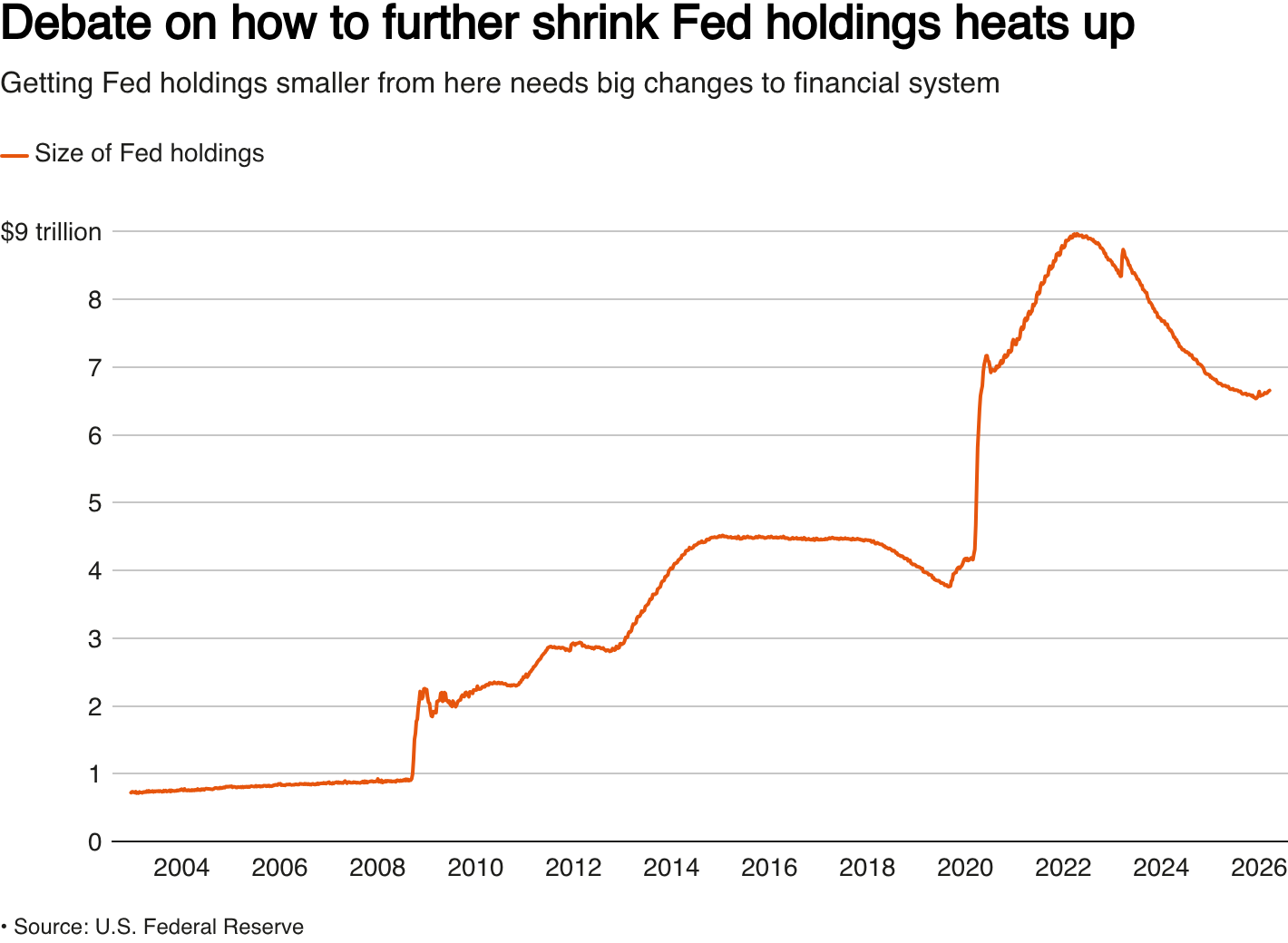
The Federal Reserve's decision to keep rates unchanged directly benefits cash assets, particularly Treasury bills, which now offer yields that compete with riskier alternatives. According to Barron's, the central bank will keep interest rates on hold indefinitely, creating a sustained period where short-term government securities deliver reliable returns. This is a structural shift from the near-zero rate era, where cash was a liability rather than an asset. The current federal funds rate, held steady at its target range, means that Treasury bills with maturities of three to twelve months are yielding at or near that level, providing investors with a risk-free return that exceeds inflation expectations. For institutional cash managers and retail savers alike, this removes the urgency to chase yield in corporate bonds or dividend stocks. The indefinite hold also reduces the reinvestment risk that typically accompanies a declining rate environment, as investors can lock in current yields without fearing an imminent cut. The Fed's posture, as articulated by Poole, is that rates are well positioned, implying no catalyst for a near-term reduction. This creates a predictable income stream for money market funds and short-duration bond portfolios, which have seen inflows accelerate as investors rotate out of equities. The key mechanism is the elimination of the opportunity cost of holding cash: when rates are high and stable, liquidity itself generates a return. Money market funds now yield over 5%, drawing billions from equity funds in the first quarter of 2026 alone.
Stocks Face a Hidden Risk from Fed Leadership
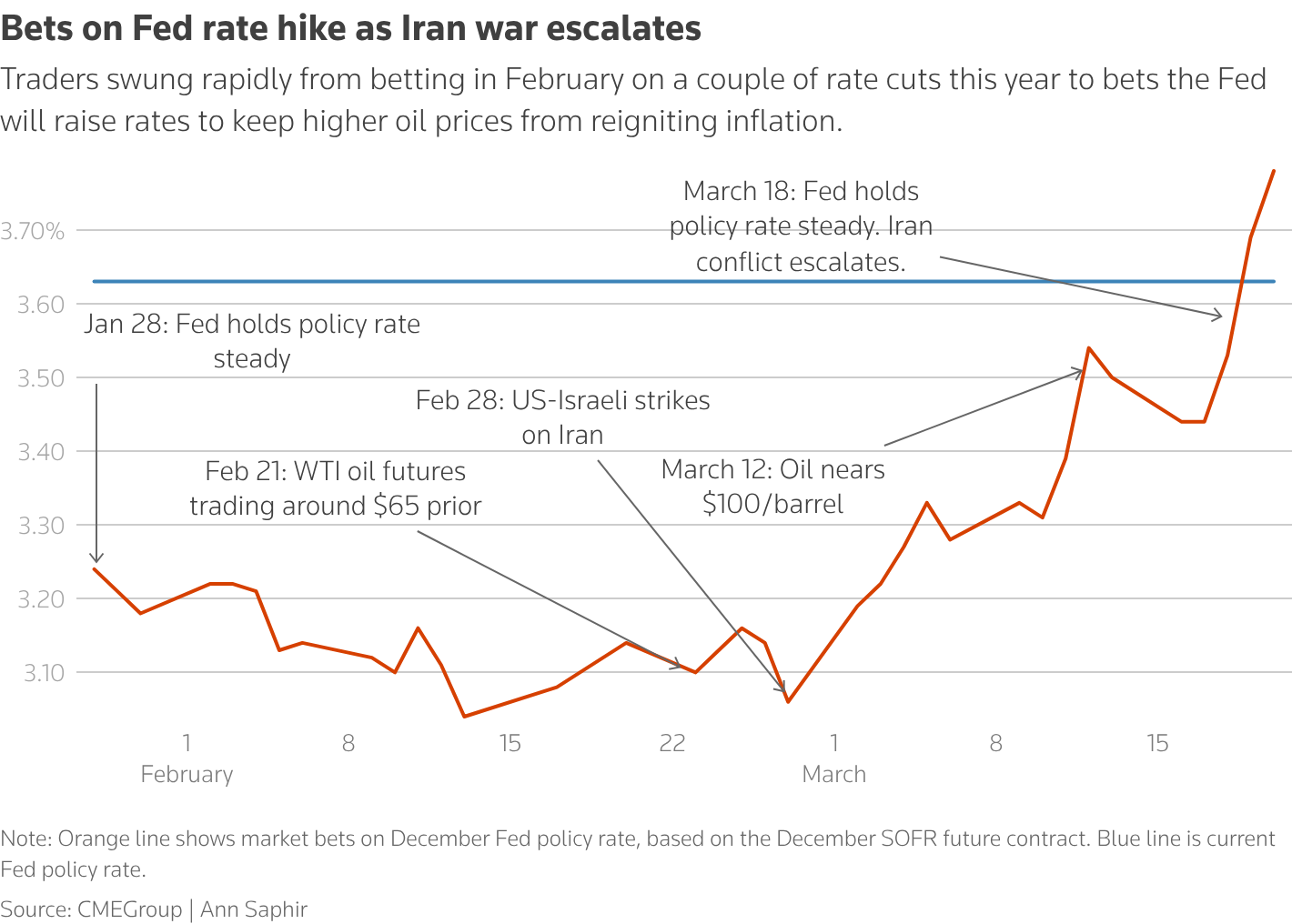
The stock market's current calm belies a significant risk embedded in the Fed's rate hold: the impending transition to a new chair who will not share Jerome Powell's market-friendly instincts. Yahoo Finance reports that the market has not priced in the potential for an untested Fed leader to spook portfolios, particularly if the new appointee adopts a more hawkish stance on inflation or a less accommodative approach to rate cuts. This leadership uncertainty compounds the existing pressure from elevated rates, which compress equity valuations by increasing the discount rate applied to future earnings. The S&P 500's price-to-earnings multiple remains stretched relative to historical averages, and any hawkish signal from the new chair will trigger a repricing. The risk is asymmetric: if the new chair signals a preference for higher-for-longer rates to combat sticky inflation, growth stocks and high-duration assets will face the steepest declines. Meanwhile, the current rate hold masks this vulnerability, as investors interpret the Fed's inaction as a sign of stability. The reality is that the Fed's policy stance is only as predictable as its leadership, and the transition period introduces a layer of uncertainty that the market has yet to discount. The cash-versus-stocks trade is therefore not just about current yields but about the trajectory of monetary policy under a new regime, which will shift abruptly.
The Competitive Reshuffle in Asset Allocation
The Fed's rate hold is driving a significant reallocation of capital across asset classes, with cash and cash equivalents gaining share at the expense of equities and longer-duration bonds. Treasury bills are now competing directly with dividend-paying stocks for investor dollars, as the risk-free yield approaches or exceeds the dividend yield of the S&P 500. This dynamic favors money market funds, short-term bond ETFs, and Treasury direct investors, while putting pressure on equity fund managers to justify the additional risk. The competitive landscape is shifting: asset managers like BlackRock and Vanguard are seeing inflows into their money market and ultra-short bond funds, while equity-heavy strategies face redemptions. The Barron's analysis highlights that the indefinite hold makes cash a permanent fixture in portfolios rather than a temporary parking spot. This structural shift benefits the Treasury Department, which can issue short-term debt at attractive rates, but it challenges corporate borrowers who rely on floating-rate debt tied to the federal funds rate. The winners are savers and liquidity providers; the losers are leveraged investors and those dependent on a low-rate environment to sustain high valuations. The Fed's policy is effectively redistributing returns from risk-takers to risk-avoiders, a reversal of the post-2008 era.
Downstream Effects on Corporate Borrowing and Capex
The Fed's rate hold ripples through the corporate sector, raising the cost of capital and constraining capital expenditure plans. Companies with floating-rate debt tied to the federal funds rate face higher interest expenses that will not abate until the Fed cuts. This is particularly acute for leveraged buyout firms and speculative-grade borrowers, whose debt service costs remain elevated. The sustained rate level also impacts the housing market, where mortgage rates stay high, dampening new construction and home sales. For technology and growth companies, the high discount rate depresses the present value of future cash flows, reducing the appetite for long-term R&D and expansion projects. The downstream effect on the broader economy is a drag on GDP growth, as corporate investment slows. Poole's comment that the Fed is prepared to act if needed shows the central bank is monitoring these dynamics closely, treating the rate hold not as complacency but as a deliberate calibration. When the data turns, whether an inflation spike or a contraction in payrolls, the Fed retains the optionality to move swiftly. That assurance is meaningful for CFOs stress-testing their debt schedules, since the central bank's stated willingness to respond limits the tail risk of rates rising further from already elevated levels. For now, the burden falls on borrowers. The cash-rich companies, such as Apple and Microsoft, benefit from earning interest on their massive cash piles, while indebted firms struggle to service their obligations. This bifurcation creates winners and losers within the corporate sector, with the Fed's inaction exacerbating the gap between balance-sheet strength and leverage risk.
Policy Signal: The Fed's Strategy for the Next Cycle
The Fed's rate hold, combined with Poole's assessment that rates are well positioned, sends a clear policy signal: the central bank is comfortable with the current level and will only move if data forces its hand. This represents a shift from the reactive approach of the past two years, where every inflation print triggered a market response. The Fed is now signaling a period of stability, allowing the lagged effects of previous hikes to fully transmit through the economy. The strategy is to let the current rate level do the work of cooling inflation without further tightening, while maintaining the optionality to cut if recession risks materialize. Poole's framing is explicit on this point: the central bank stands ready to act if conditions shift, a deliberate two-way signal that reinforces the hold as conditional rather than structural. The distinction matters because a conditional hold preserves the Fed's credibility with both inflation hawks and growth advocates, giving it room to pivot without appearing captured by either camp. Markets have so far read this posture as benign, treating Treasury bill yields above 5% as a reason to be patient rather than alarmed. The new chair's appointment will test this framework, as the incoming leader will have a different view on the neutral rate or the urgency of rate cuts. The policy signal is one of patience and confidence, but it also carries the risk of being too slow to respond to a downturn. The market's task is to price in this stability while preparing for the leadership transition, which will redefine the Fed's reaction function for years to come. For now, the rate hold stands as a credible anchor, though one whose durability depends entirely on who sits at the helm next. The Fed's institutional credibility has carried rates policy this far; sustaining it through a leadership handover is the defining test for the next twelve months.
The Fed's indefinite rate hold creates a durable regime where cash outperforms risk assets, but the stability is fragile. The leadership transition to a new chair introduces a wildcard that the market has not yet priced, and any hawkish surprise will trigger a sharp correction in equities. Investors should prepare for a scenario where the Fed's patience ends not with a cut but with a policy error, as the new chair overcorrects for inflation or misreads the economic trajectory. The cash-heavy portfolio is the safe bet for now, but the real test comes when the next data point forces the Fed's hand. The rate hold is not a permanent equilibrium; it is a calculated pause that sets the stage for the next major move in monetary policy.
The BossBlog Daily
One email with the AI markets brief — the 13F moves, the Congressional trades, and what changed. No fixed schedule and no filler: it goes out when there is something worth sending.
Unsubscribe any time. We never sell or share the list.