
Memory chip makers are staring down a supercycle that promises windfall gains, with SK Hynix fielding direct investment offers from big tech firms for dedicated production lines, Micron closing a plant acquisition in Taiwan, and Samsung Electronics pulling forward construction of a new mega-fab by six months. The Roundhill Memory ETF surged more than 30% in a single week, reflecting a market conviction that high-bandwidth memory (both DRAM and NAND) has become the bottleneck for AI processor deployment. Unlike the cyclical memory booms of the past, this one is structurally anchored to hyperscaler capital expenditure, which shows no sign of decelerating. The supercycle will extend beyond 2027, according to industry analysts, making this not a trade but a multi-year investment thesis.
Memory cycles of the past were driven by personal computer adoption, smartphones, and server refresh waves. Each of those cycles eventually stalled when consumer spending slowed or inventory piled up ahead of demand. The current AI-driven cycle is different in one fundamental respect: the customers buying memory are hyperscalers running multi-year capital programs measured in tens of billions of dollars, and they are willing to pre-fund production capacity to guarantee supply. That structural anchor is what separates this supercycle from the boom-bust patterns that plagued memory investors for decades, and it is the single most important factor for evaluating whether the sector's gains are durable. Here is why the memory trio is positioned for an unprecedented run.
Direct Investment Offers Reshape Memory Procurement
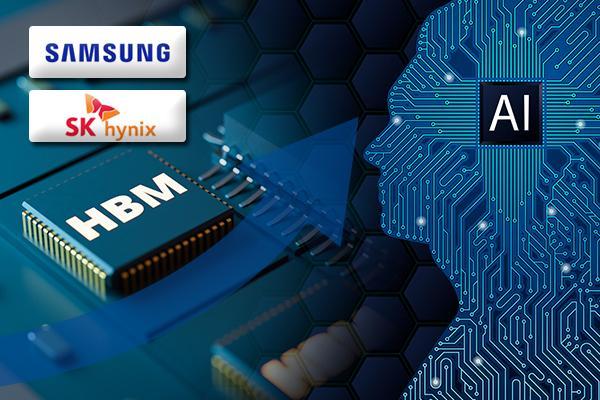
The mechanism driving this supercycle is a fundamental shift in how memory is consumed. AI processors, particularly the graphics processing units used for training and inference, require high-bandwidth memory (HBM) that stacks DRAM dies vertically to maximize data throughput. This is not a marginal upgrade. Each HBM module replaces dozens of conventional memory chips, creating a step-function increase in demand per GPU sold. SK Hynix, the market leader in HBM, is now fielding offers from big tech firms to invest directly in specific production pipelines, a move that would effectively lock up supply for years. This is a structural change: memory is no longer a commodity spot market but a negotiated, long-term contract business with guaranteed offtake. The Roundhill Memory ETF?? 30% weekly gain is a direct reflection of this new pricing power. Samsung Electronics, which recently joined the trillion-dollar valuation club, is advancing construction of its P5 Fab 2 plant in South Korea, with work now expected to start in July rather than early 2027. The accelerated timeline signals that Samsung sees the supercycle as durable enough to justify billions in upfront capex. The shift from spot to contract pricing means that revenue visibility for these manufacturers now extends multiple years into the future, a stark departure from the quarterly volatility that defined the sector for decades.
How the P&L Gets Rewritten
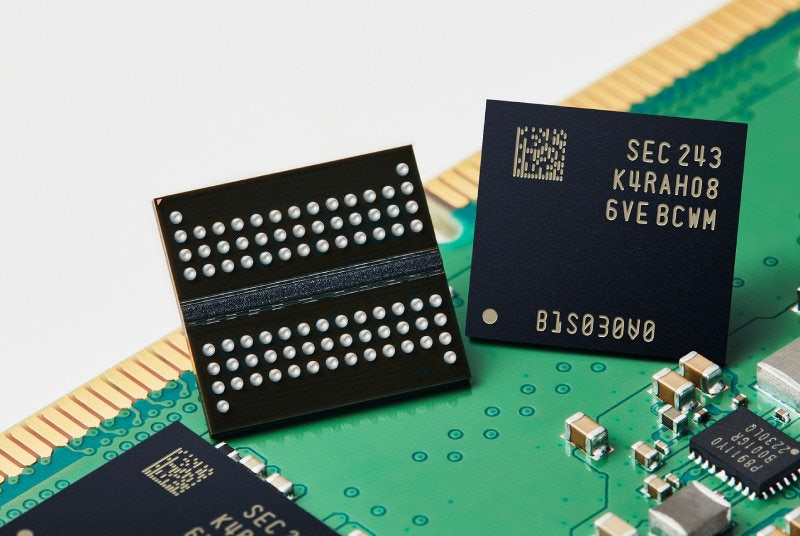
For SK Hynix, Micron, and Samsung, the financial implications are transformative. Memory has historically been a feast-or-famine business, with gross margins swinging from 60% to negative territory within quarters. The current supercycle inverts that dynamic: big tech firms are offering to fund dedicated production lines, effectively de-risking SK Hynix?? capital expenditure and guaranteeing a floor on utilization rates. This changes the P&L structure. Fixed costs become less punitive when a customer is underwriting the factory. Micron?? acquisition of a plant in Taiwan from Powerchip Semiconductor Manufacturing Corporation (PSMC) adds immediate DRAM and HBM capacity without the multi-year lead time of a greenfield build. The deal gives Micron a foothold in Taiwanese manufacturing, which is critical for proximity to TSMC?? advanced packaging lines. For Samsung, pulling forward P5 Fab 2 by six months means it will have incremental capacity online during the peak of the supercycle, capturing revenue that would otherwise go to competitors. The combined effect is a sector-wide margin expansion that the Roundhill Memory ETF?? 30% weekly gain only begins to price in. Analysts project that operating margins for the top three memory makers could reach levels not seen since the 2017 boom, but with the added stability of long-term contracts. The critical difference between 2017 and 2026 is that the current demand is not driven by a single application cycle. It is the aggregate AI capex of a dozen hyperscalers and cloud providers, each running independent infrastructure programs, which means the demand base is diversified in a way that past memory booms never were.
The Competitive Reshuffle: Who Gains, Who Loses
The supercycle is not a rising tide for all memory players equally. SK Hynix holds the pole position in HBM, having secured early design wins with Nvidia and AMD, and is now fielding investment offers from big tech firms that want guaranteed supply. This gives SK Hynix pricing power and a multi-year backlog that smaller competitors cannot match. Micron, through its Taiwan plant acquisition from PSMC, gains immediate access to advanced DRAM fabrication capacity, closing the gap with SK Hynix in HBM production. The deal also gives Micron a second geographic manufacturing base, reducing its exposure to geopolitical risk in the US-China semiconductor standoff. Samsung Electronics, despite its trillion-dollar market cap, has been slower to ramp HBM production. Accelerating P5 Fab 2 construction is a direct response to losing market share in HBM to SK Hynix. The losers in this reshuffle are smaller memory makers and legacy DRAM producers that lack the capital or customer relationships to secure long-term contracts. PSMC, by selling its plant to Micron, effectively exits the advanced memory race. The Roundhill Memory ETF?? composition reflects this concentration. The top three players dominate the index, leaving little room for second-tier manufacturers to capture the supercycle?? gains.
Downstream Effects on Hyperscalers and Supply Chains
The memory supercycle creates second-order effects across the AI supply chain that are only beginning to materialize. Hyperscalers (Amazon, Microsoft, Google, and Meta) are the ultimate customers for HBM, and their willingness to invest directly in SK Hynix production lines signals a fundamental shift in procurement strategy. Instead of buying memory on the open market, they are securing dedicated capacity, which locks in costs but also locks out smaller AI companies that cannot make similar commitments. This creates a two-tier market: hyperscalers get guaranteed supply at negotiated prices, while everyone else faces spot shortages and premium pricing. For TSMC, which packages HBM with GPUs using its CoWoS technology, the supercycle means tighter capacity constraints and higher pricing power for advanced packaging services. The capex acceleration at Samsung and Micron also benefits equipment suppliers like ASML, Applied Materials, and Tokyo Electron, which will see order books swell as the new fabs come online. The supercycle?? extension beyond 2027, as analysts project, means these downstream effects are not transitory. They represent a permanent scaling of the AI memory ecosystem, with equipment suppliers now enjoying multi-year order visibility from memory makers racing to meet hyperscaler demand.
What the Supercycle Signals About the Market
The memory supercycle is a clear signal that the AI hardware buildout is entering a new phase. The willingness of big tech firms to invest directly in SK Hynix production lines indicates that they view memory as a strategic bottleneck, not a commodity input. This is the same logic that drove hyperscalers to build their own data centers and design their own chips. Vertical integration is now extending to memory. For regulators, the concentration of HBM production among three Korean and American companies raises antitrust and national security questions. The US government has already used the CHIPS Act to incentivize memory production, and the supercycle will likely accelerate calls for more domestic fabrication capacity. For investors, the Roundhill Memory ETF?? 30% weekly gain is a canary in the coal mine: it suggests that the market is pricing in a multi-year supercycle, but it also creates valuation risk if the cycle peaks earlier than expected. Samsung?? decision to pull forward P5 Fab 2 construction by six months is the most concrete signal that the industry believes this supercycle is structural, not cyclical.
The memory supercycle will not end with a crash, as past cycles have, because the demand is anchored to hyperscaler AI spending that is budgeted years in advance. The question is not whether the cycle will last, but which players will capture the most value as the industry shifts from commodity spot markets to long-term, customer-funded production partnerships. SK Hynix, with its HBM leadership and big tech investment offers, is best positioned. Micron, through its Taiwan plant acquisition, has closed the gap. Samsung, by accelerating its mega-fab, is making a late but determined play.
The supply side dynamics are equally important. New HBM capacity cannot be brought online quickly. A greenfield fab takes three to four years from groundbreaking to first production wafer, and the specialized equipment needed for advanced DRAM stacking has its own lead times measured in quarters. That supply inelasticity means that even a modest slowdown in hyperscaler AI spending would not immediately collapse prices. The inventory buffer is thin, and the backlog commitments are long. For investors watching the Roundhill Memory ETF?? 30% weekly surge, the risk is not a near-term demand shock but a longer-horizon question: when Samsung?? P5 Fab 2 and Micron?? Taiwan plant ramp to full production, will HBM demand still outpace supply? The consensus answer, as of mid-2026, is yes through at least 2027.
The Roundhill Memory ETF?? weekly surge is the market?? first bet on this thesis, but the real returns will accrue to those who understand that memory is no longer a cyclical trade. It is the foundation of the AI infrastructure buildout, and the companies that secure the deepest production relationships with hyperscalers today will define the competitive order of the semiconductor industry for the rest of the decade.
The BossBlog Daily
One email with the AI markets brief — the 13F moves, the Congressional trades, and what changed. No fixed schedule and no filler: it goes out when there is something worth sending.
Unsubscribe any time. We never sell or share the list.