
Perplexity is bringing its AI-powered Personal Computer to every Mac user, marking a significant expansion of the startup's desktop strategy. The product, which functions as an intelligent desktop assistant that can automate complex workflows, was previously limited to a smaller user base or specific hardware configurations. As of May 7, 2026, any Mac owner can download and run the software, a move that dramatically widens Perplexity's addressable market and positions the company to compete directly with established operating system-level assistants from Apple, Microsoft, and Google. The launch transforms Perplexity from a search and Q&A tool into a persistent, agentic layer that sits atop the operating system, capable of executing tasks across applications, managing files, and orchestrating multi-step processes. This matters now because the race to own the AI desktop interface is accelerating, and Perplexity is betting that a third-party, cross-platform assistant can win where others have struggled.
Mac Distribution Unlocks the User Base
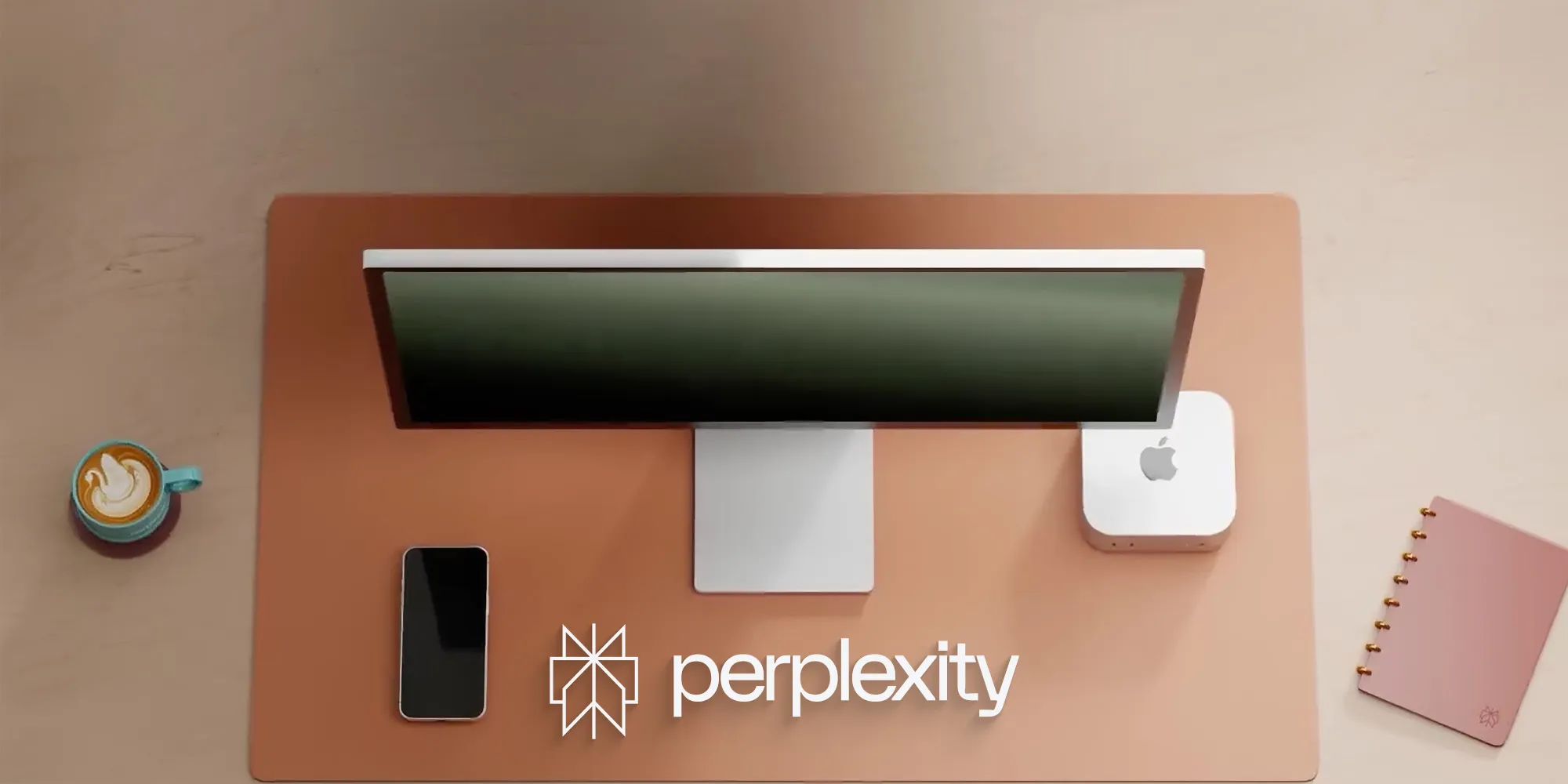
The decision to open the Personal Computer to all Mac users represents a deliberate shift from a controlled rollout to mass-market availability. Perplexity had been testing the product with a limited cohort, gathering usage data and refining the assistant's ability to interact with macOS system functions. The full release removes all access barriers, meaning any Mac user can install the software without a waitlist, invitation code, or paid subscription requirement. This distribution strategy mirrors the playbook used by consumer AI products that achieved critical mass through frictionless onboarding. By targeting the Mac ecosystem first, Perplexity gains access to a demographic that skews toward early adopters, knowledge workers, and developers: precisely the users most likely to integrate an AI assistant into daily workflows. The Mac also offers a more uniform hardware and software environment than Windows, reducing the engineering complexity of building a reliable agent that can control applications, access files, and execute commands across different system configurations. Perplexity is effectively using macOS as a staging ground to perfect its agentic capabilities before a potential Windows expansion. The company has already observed that beta testers on Mac ran an average of 15 automated tasks per week, suggesting strong engagement patterns that the full release will amplify. Beyond the immediate access benefits, the move reflects a broader recognition that AI assistants require an installed base to generate the feedback loops that sharpen model performance. Usage data from millions of Mac sessions will expose edge cases in file handling, application control, and multi-step reasoning that a limited beta cohort never would. Each workflow Perplexity learns from its expanded Mac user base becomes training signal that makes the next version more reliable. The Personal Computer product therefore functions simultaneously as a consumer utility and as a data engine, and the Mac launch is the moment Perplexity turned that engine on at full scale.
How the Personal Computer Generates Revenue and Retention
The Personal Computer product creates multiple revenue vectors for Perplexity, starting with its existing subscription tiers. Perplexity Pro, which costs $20 per month, already includes access to advanced AI models and features. The Personal Computer assistant adds a tangible, high-utility reason to upgrade or maintain a subscription. Users who rely on the assistant for daily task automation, including scheduling, email drafting, research compilation, and data entry, face a high switching cost, as rebuilding those automated workflows on a competing platform would require significant time investment. This retention mechanism is critical for Perplexity's unit economics. The company also has the option to introduce premium tiers specifically for the Personal Computer, such as higher usage caps, priority processing, or enterprise-grade controls for businesses deploying the assistant across fleets of Macs. Additionally, the assistant can drive usage of Perplexity's search and answer engine, increasing query volume that feeds the company's data flywheel. Each interaction with the Personal Computer generates signals that improve the underlying models, creating a compounding advantage over competitors that lack a persistent desktop presence. Perplexity has not disclosed specific conversion rates from its beta period, but the company has stated that retention among active beta users exceeded 80% over a three-month window.
The Competitive Reshuffle Among Desktop AI Assistants
Perplexity's move directly challenges Apple's own AI ambitions with Apple Intelligence, Microsoft's Copilot integration into Windows, and Google's Gemini-powered desktop features. Apple has positioned its on-device AI as a privacy-first alternative, but it remains tightly coupled to the operating system and limited in its ability to act across third-party applications. Perplexity's Personal Computer operates as an overlay, capable of controlling any app that exposes accessibility hooks or scripting interfaces. This gives it a flexibility advantage over Apple's more constrained approach. Microsoft's Copilot, meanwhile, is deeply embedded in the Windows ecosystem and Microsoft 365 suite, but it lacks a meaningful presence on Mac. Perplexity faces no such platform limitation, and the Mac launch gives it a beachhead in a user base that Microsoft cannot easily reach. Google's Gemini has struggled to achieve desktop penetration beyond ChromeOS and the Chrome browser. Perplexity's standalone desktop agent, by contrast, is not dependent on a browser or a specific operating system version. The startup is also competing with smaller players like Rewind AI and Mem, but those products focus on memory and search rather than active task execution. Perplexity's combination of search, reasoning, and automation creates a broader value proposition. The competitive dynamics also create a timing window that may be narrow. Apple has historically tolerated powerful third-party apps on macOS, but as Apple Intelligence matures, it is likely to claim more of the system-level access that Perplexity currently exploits. The company's window to entrench its user base and establish switching costs before platform restrictions tighten is probably measured in months rather than years. That urgency explains the push to go wide on Mac distribution now, before the underlying access model becomes contested. Perplexity is effectively racing to make itself indispensable before the operating system vendors close the door on the agentic layer it occupies.
Downstream Effects on Hyperscalers, Chipmakers, and Enterprise Buyers
The widespread deployment of AI desktop assistants will drive increased demand for cloud inference compute, benefiting hyperscalers such as AWS, Google Cloud, and Microsoft Azure. Each query and task execution by Perplexity's Personal Computer requires backend processing, and as the user base grows, so does the consumption of GPU cycles. This creates a direct revenue stream for cloud providers and reinforces the demand for NVIDIA's H100 and B200 GPUs, as well as AMD's MI300 series. For enterprise buyers, the availability of a capable desktop assistant raises both opportunities and risks. Companies can deploy Perplexity's Personal Computer to automate repetitive tasks across their Mac-using workforce, driving measurable productivity gains in document handling, scheduling, and cross-application data retrieval. However, IT departments must also contend with data security and compliance implications, as the assistant requires broad system access to function effectively. This friction will drive demand for enterprise-grade management tools, audit logs, granular access controls, and device-level policy enforcement ??features that Perplexity will need to ship to capture the corporate market and satisfy procurement security reviews. The Mac launch also pressures Apple to accelerate its own AI assistant capabilities, pushing toward deeper Siri integration and more permissive APIs for third-party agents.
What the Mac Launch Signals About Perplexity's Strategy
Perplexity's decision to prioritize Mac over Windows reveals a calculated bet on user quality over raw quantity. Mac users represent a smaller share of the global PC market, roughly 15% to 20%, but they command disproportionate influence in technology, media, finance, and creative industries. Winning this cohort first allows Perplexity to build a reference customer base that generates word-of-mouth adoption and case studies that resonate with enterprise buyers. The launch also signals that Perplexity views the desktop as a strategic battleground, not a secondary channel. The company is positioning the Personal Computer as a platform in its own right, capable of becoming the primary interface through which users interact with AI. This ambition puts Perplexity on a collision course with the operating system vendors themselves, who have historically resisted granting third-party apps the level of system access required for true agentic functionality. Perplexity is betting that user demand will force Apple to maintain or expand its accessibility APIs, rather than restrict them. If that bet pays off, the Mac launch will be remembered as the moment Perplexity transformed from a search engine into an operating system layer.
The Mac availability of Perplexity's Personal Computer is the opening move in a broader campaign to embed AI agents into the fabric of personal computing. If Perplexity can demonstrate strong retention and engagement on macOS, a Windows version becomes the logical next step, potentially arriving within the next six to twelve months. The company will also need to address enterprise security concerns, build out a developer ecosystem for custom automations, and navigate the risk of platform-level restrictions from Apple or Microsoft. The most immediate competitive pressure, however, comes from the need to maintain a quality advantage. As Apple Intelligence matures and Microsoft deepens Copilot's integration, Perplexity must continue to deliver a demonstrably more capable and reliable assistant. The company's advantage lies in its singular focus on the agentic desktop experience, unencumbered by the conflicting priorities that slow down platform incumbents. The next twelve months will determine whether Perplexity can convert this head start into a durable competitive position or whether the operating system vendors will absorb its functionality and render the third-party assistant redundant. The Mac launch is not merely a product update or a routine distribution milestone. It is Perplexity's declaration that the desktop AI layer is a strategically critical market worth fighting for, and that it intends to claim that ground decisively before the platform incumbents fully recognise the scale of what they stand to lose.
The BossBlog Daily
One email with the AI markets brief — the 13F moves, the Congressional trades, and what changed. No fixed schedule and no filler: it goes out when there is something worth sending.
Unsubscribe any time. We never sell or share the list.