
Eight years after employee pressure forced Google to walk away from Project Maven, the company is once again extending artificial intelligence into classified military networks, and this time leadership is not flinching. Google has granted the Department of Defense access to its Gemini models for IL6- and IL7-classified environments covering all lawful purposes, joining OpenAI, xAI, Nvidia, Microsoft, and Amazon Web Services in a sweeping vendor consolidation inside the Pentagon's AI stack. The sole dissenter among frontier American AI labs is Anthropic, which refused the DoD's demand for unrestricted use and has been formally designated a supply-chain risk as a result, barring defense contractors from touching its products until litigation is resolved. The contrast between a field of compliant vendors and one outlier standing on principle is now the defining fault line in American AI's relationship with national security, and the financial exposure on both sides of that line is growing fast.
Google's Classified Access Agreement: What the Gemini Deal Actually Permits
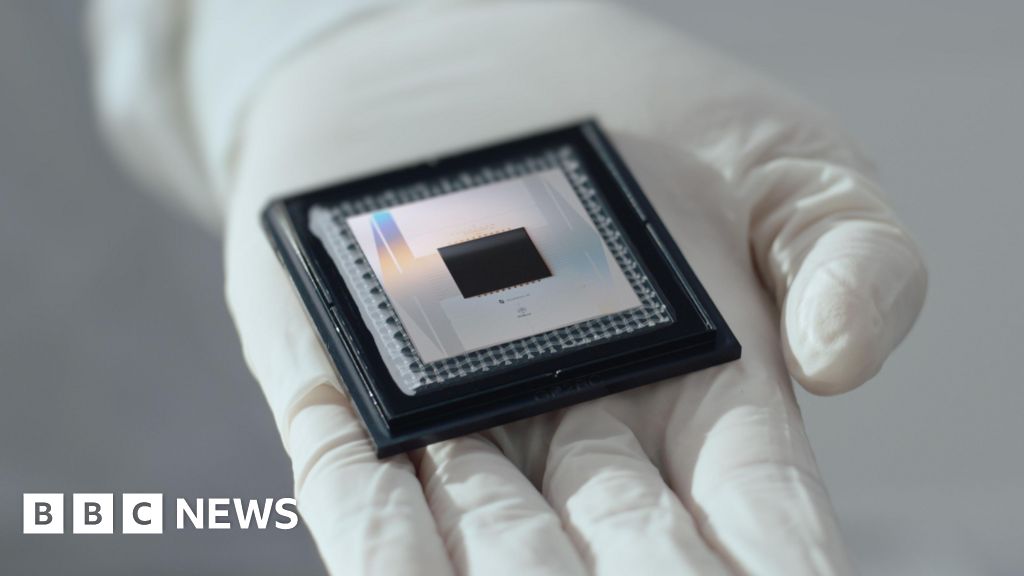
Pentagon AI chief Cameron Stanley confirmed the expanded arrangement in late April 2026, describing Google as a critical partner for deploying Gemini across classified networks after Anthropic's departure created a capability gap. The deal grants the DoD access to Gemini models for "any lawful purpose," the same broad language that OpenAI and xAI accepted and that Anthropic refused to sign. Google's contract does include non-binding language cautioning against domestic mass surveillance and autonomous lethal weapons, but those assurances carry no enforcement mechanism, the DoD retains operational discretion within the bounds of existing law.
The classified tiers involved, IL6 and IL7, represent the most sensitive computing environments the federal government operates, covering secret and top-secret data flows. AI models deployed at that tier are used for intelligence analysis, logistics optimization, signals processing, and, in some branches, targeting support. Pentagon representatives declined to describe specific use cases, and Google has not publicly detailed which Gemini variants are in scope. The underlying technical agreement runs through Google Cloud's existing FedRAMP High authorizations, which the company has held since 2021 and which give it a structural advantage over newer entrants trying to build classified infrastructure from scratch.
Stanley was explicit about one strategic priority: vendor diversification. The DoD's AI program has actively courted multiple suppliers precisely to avoid the lock-in risk that a single-provider dependency would create. Nvidia, Microsoft, and AWS signed similar classified deployment agreements in the same week, with Reflection AI, a newer frontier lab, also completing an arrangement. That breadth signals the Pentagon's intent to treat frontier AI as a competitive commodity market rather than negotiate one-off bespoke contracts, a posture that gives each lab limited individual leverage in terms.
The Financial Calculus: Anthropic's Blacklist and the Cost of Refusal
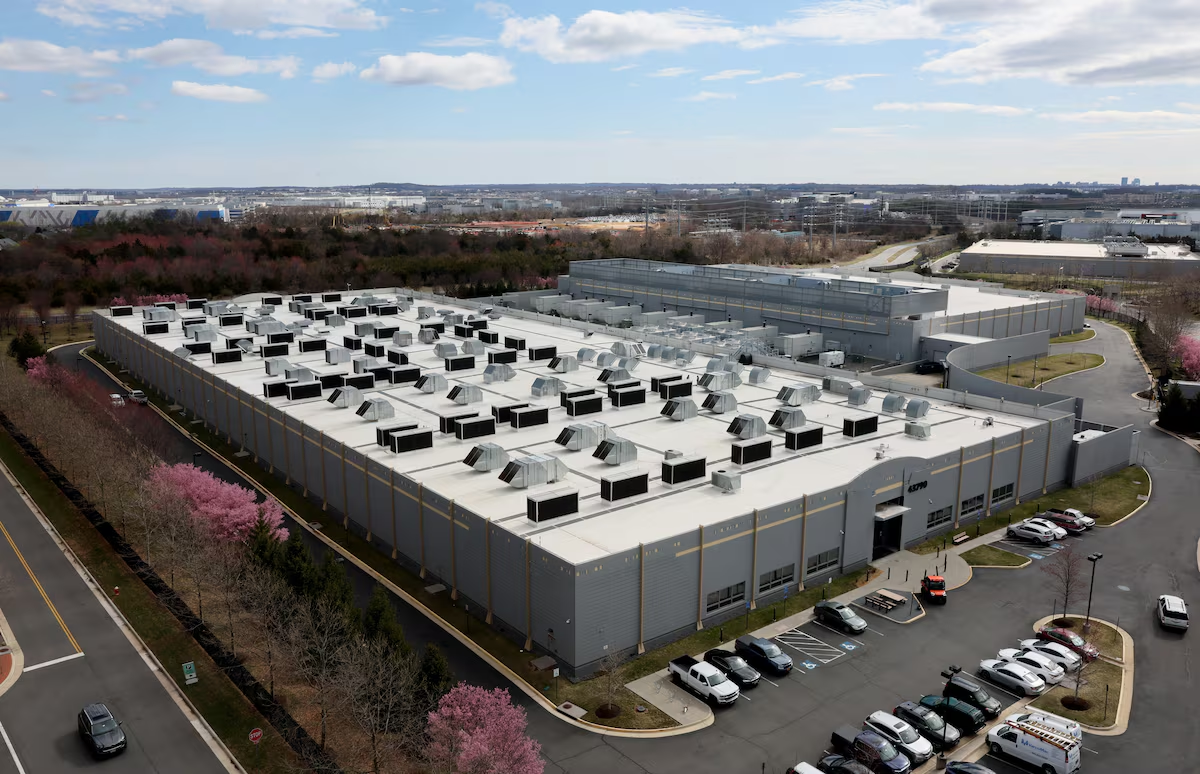
The stakes for Anthropic are substantial. The company had an active $200 million contract with the Pentagon before the dispute escalated to a formal supply-chain risk designation in February 2026. That designation requires every defense contractor to certify that it is not using Claude products, which effectively halted Anthropic's direct government revenue and cut off an additional pipeline of indirect business routed through defense contractors building AI-augmented procurement, logistics, and cyber tools.
Anthropic told courts handling its emergency injunction request that, without relief, it stood to lose billions of dollars in business, an assertion that reflects how deeply embedded its models had become in agency workflows even before a formal classified-tier agreement existed. Illustrating that depth, CNBC reported that the DoD continued using Claude during the Iran conflict of early 2026 even while the supply-chain risk designation was being processed, suggesting operational dependencies that were awkward to unwind quickly. Anthropic is fighting the designation in court but has so far lost at the appeals level, leaving it outside DoD contracts while other agency relationships continue.
The revenue gap is not abstract. At a reported $900 billion valuation being discussed with investors, Anthropic needs government and enterprise revenue to justify multiples that assume broad market penetration across regulated industries. Losing the Pentagon as a customer, and losing the halo effect that classified deployments carry in federal civilian agency procurement, is a headwind the company did not model when it took a principled stand on usage limits.
For Google, the financial logic runs in the opposite direction. Winning classified AI deployments ties Gemini into the same long-duration, high-renewal government contracts that have made AWS's GovCloud business one of Amazon's most durable profit streams. AI infrastructure at the IL6 and IL7 tier is not easily replaced once embedded; switching costs include recertification, data migration, and retraining of DoD personnel who have internalized specific model behaviors. The initial contract values are not disclosed, but multi-year classified infrastructure deals typically carry nine-figure annual run rates.
Who Gains: The Vendor Map After Anthropic's Removal
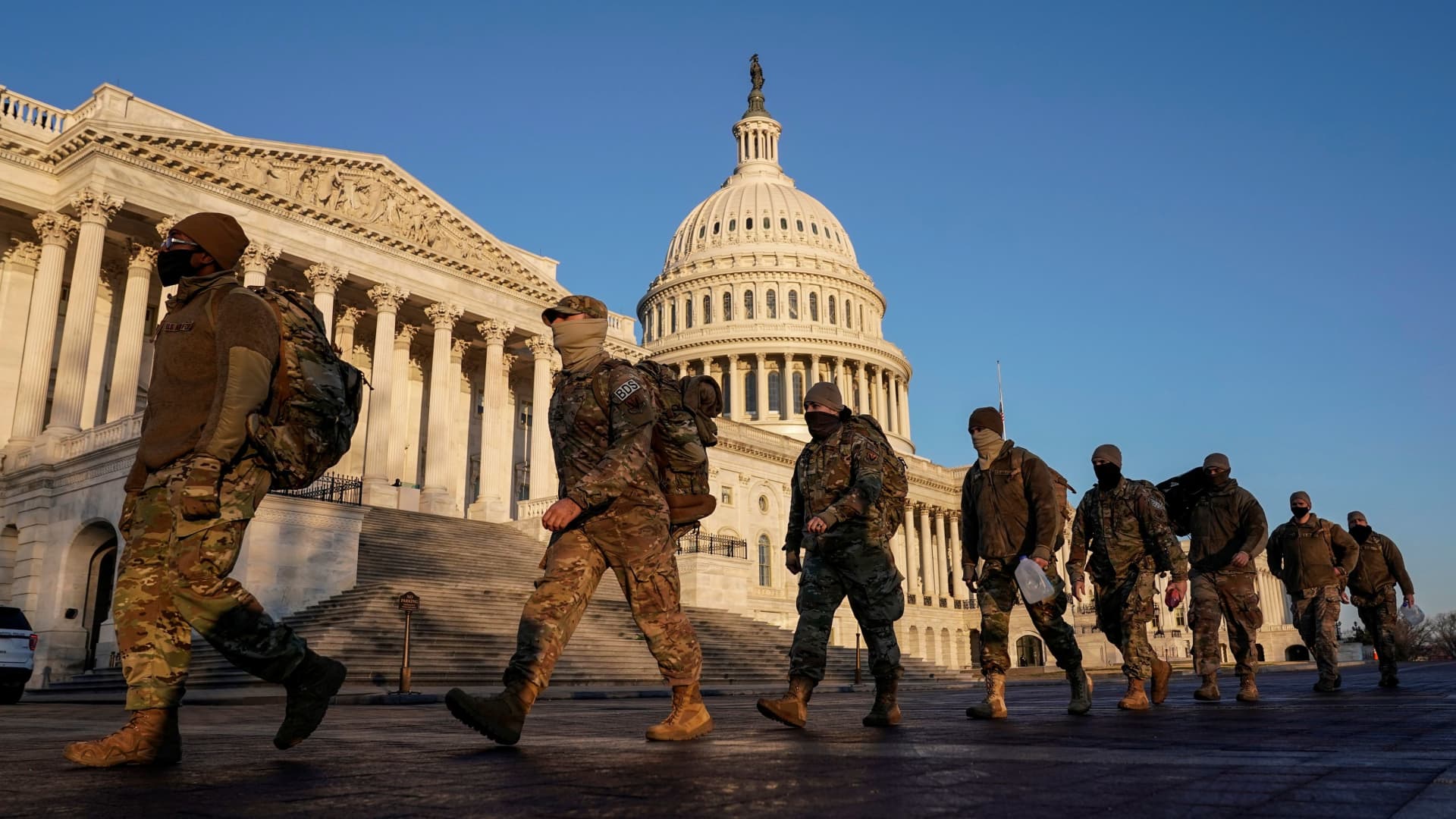
The Pentagon's AI vendor panel now reads like a roll call of the largest American technology companies plus a few frontier labs that moved quickly to meet the DoD's terms. OpenAI signed its deal with the DoD within hours of Anthropic's blacklisting in February, a piece of timing that TechCrunch and CNBC both characterized as deliberate positioning. xAI, Elon Musk's lab, followed with its own classified agreement shortly afterward. Nvidia's inclusion covers its hardware and accompanying inference software, not just GPU supply; the chip giant is positioning its NIM microservices as a classified-deployable inference stack.
Anthropic's exclusion hands its competitors a structural advantage in federal AI procurement for as long as the litigation drags on. Government technology buyers operate on multi-year budget cycles; an agency that needed Claude-grade AI capabilities in spring 2026 and switched to Gemini or GPT-5.5 under deadline pressure is unlikely to run a second procurement cycle in 2027 unless performance disappoints sharply. The switching cost barrier that makes government IT contracts so sticky is now working against Anthropic's eventual return to the market.
There is an asymmetry worth noting: Anthropic can still sell to non-DoD federal agencies, civilian departments such as State, Commerce, and HHS remain accessible, and the company has emphasized that its position on usage guardrails was driven by ethical principle rather than commercial calculation. That framing has earned it vocal support from a number of AI safety researchers and some Democratic members of Congress, with Senator Elizabeth Warren publicly calling the blacklisting retaliation. The political temperature around the case means the litigation outcome matters beyond the immediate revenue numbers.
Pentagon Deployment Infrastructure: 1.3 Million Users and Growing
The scale of DoD AI consumption provides context for why the Pentagon moved so aggressively to lock in supply. Over 1.3 million DoD personnel have used GenAI.mil, the department's unclassified AI interface, making it one of the largest enterprise AI deployments in the world by user count. That unclassified base represents the training ground for a much larger classified deployment pipeline: military personnel who learn to extract value from AI for logistics scheduling, intelligence summaries, and correspondence drafting on unclassified networks are the same users who will drive demand for classified-tier AI tools as those deployments scale.
Pentagon planners have been explicit that classified AI is not a niche program for intelligence analysts but a department-wide capability target. The IL6 and IL7 agreements signed in the past two months are the infrastructure layer enabling that expansion. Nvidia's classified inference software, Google's Gemini models, and AWS's GovCloud compute will collectively underpin AI tools that defense planners expect to integrate into operational workflows across every command, not just at the classified analysis level.
The DoD's vendor-diversification strategy also reflects lessons from its commercial software procurement history. The JEDI cloud controversy, a decade-long legal battle over a winner-take-all cloud contract, taught the department that single-vendor dependencies expose it to litigation risk and market leverage it cannot afford in critical infrastructure. The multi-vendor AI approach is a deliberate structural response to that lesson, and Anthropic's blacklisting, paradoxically, strengthened the case for it: the DoD saw that dependence on a single lab willing to exit on principle creates operational fragility.
The Project Maven Reversal: Employee Voice in 2026
The sharpest contextual signal in Google's decision is what it says about the diminished power of internal dissent at frontier AI companies. In 2018, roughly 4,000 Google employees signed a petition opposing Project Maven, a drone image analysis contract, and the company ultimately declined to renew it. The episode became a landmark case study in tech worker organizing and its limits. This time, approximately 950 employees signed an open letter to CEO Sundar Pichai opposing the classified Gemini deal, a smaller headcount and, so far, zero effect on the company's direction.
Google DeepMind research scientist Alex Turner published a public critique of the arrangement, drawing attention to the non-binding nature of the usage assurances. His statement was notable because senior technical staff rarely break ranks with company AI policy publicly. But leadership has not wavered. The contrast with 2018 reflects structural changes in the tech labor market, layoffs across the sector between 2022 and 2025 reduced the organizing leverage that employees held when talent markets were tighter, and a shift in executive calculus about the scale of revenue at stake in government AI contracts.
The parallel dynamic at OpenAI has been even quieter: no significant internal petition has emerged despite that company's classified agreement with the DoD, which some observers attribute to OpenAI's for-profit restructuring and the financial stakes its employees hold in the company's continued growth. The implication is that as AI company valuations scale into the hundreds of billions and employee equity grows accordingly, the incentive alignment between workers and company commercial strategy tightens in a way that erodes organizing power.
The broader industry message is that classified AI is no longer a niche ethical debate but a commercial mainstream. When Google, Microsoft, AWS, Nvidia, OpenAI, and xAI are all inside the Pentagon's classified stack, the market has effectively decided, regardless of what individual researchers or employees believe about the appropriate limits of AI in military contexts. Anthropic's refusal is now the exception that defines the rule.
Anthropic's lawsuit will proceed through federal courts over the next year, and the outcome will determine whether the DoD's supply-chain risk designation holds as a precedent or gets narrowed by judicial review. If Anthropic wins a reversal, it creates a legal pathway for other AI labs to negotiate usage limits without fear of blacklisting, a structural shift that could rebalance the power dynamics between AI vendors and government customers. If the designation holds, the message to every other frontier lab is clear: the terms of classified AI access are set by the DoD, not by the companies that build the models.
The BossBlog Daily
One email with the AI markets brief — the 13F moves, the Congressional trades, and what changed. No fixed schedule and no filler: it goes out when there is something worth sending.
Unsubscribe any time. We never sell or share the list.