
The private-credit industry has spent years pitching itself as a steadier alternative to public markets. But the March-April 2026 wave of redemption caps suggests the industry has discovered a new vulnerability: once illiquid lending products are sold to wealth clients with an expectation of periodic liquidity, investor behavior starts to look less like patient capital and more like a slow-motion bank run. Bloomberg reported on March 23 that Apollo Global Management capped redemptions at a private-credit fund after withdrawal requests surged, and Reuters reported on April 2 that managers were restricting exits and tightening lending as jitters spread.
The Liquidity Promise Meets Market Reality
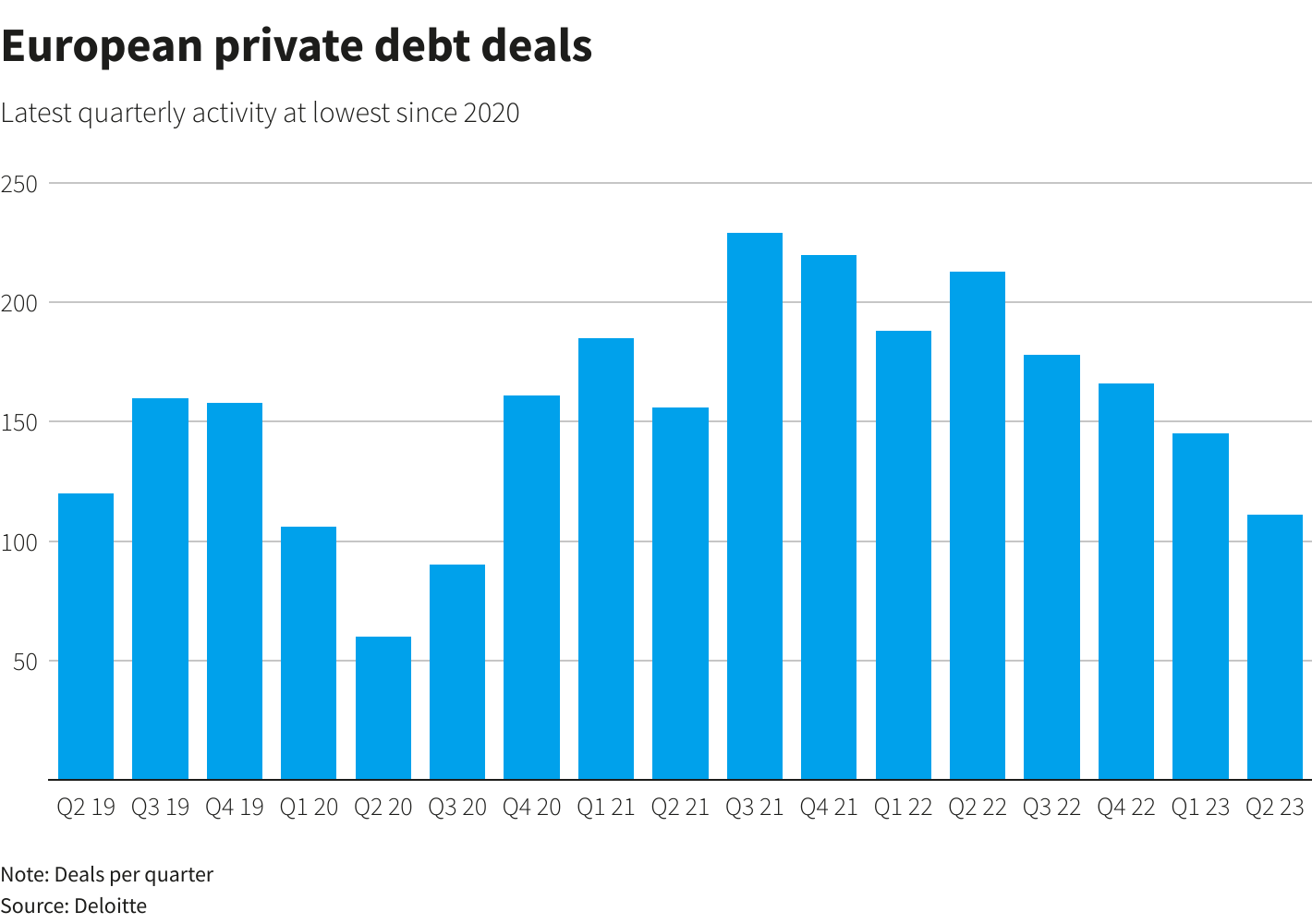
Apollo is not alone. Ares Management also limited withdrawals, while Business Insider described a broad wave of redemption demand hitting the sector as investors reassessed the trade-off between yield and access to cash. The immediate issue is simple: private credit funds own loans that do not trade like listed bonds or stocks, so managers cannot meet large redemption requests without selling assets slowly, borrowing against them, or imposing gates. That mismatch was manageable when the investor base was dominated by institutions used to lockups and opaque marks. It becomes far more dangerous when the same products are distributed through private banks and wealth platforms to affluent clients who are conditioned to expect smoother exits.
Retailization Changes the Industry?? Risk Profile
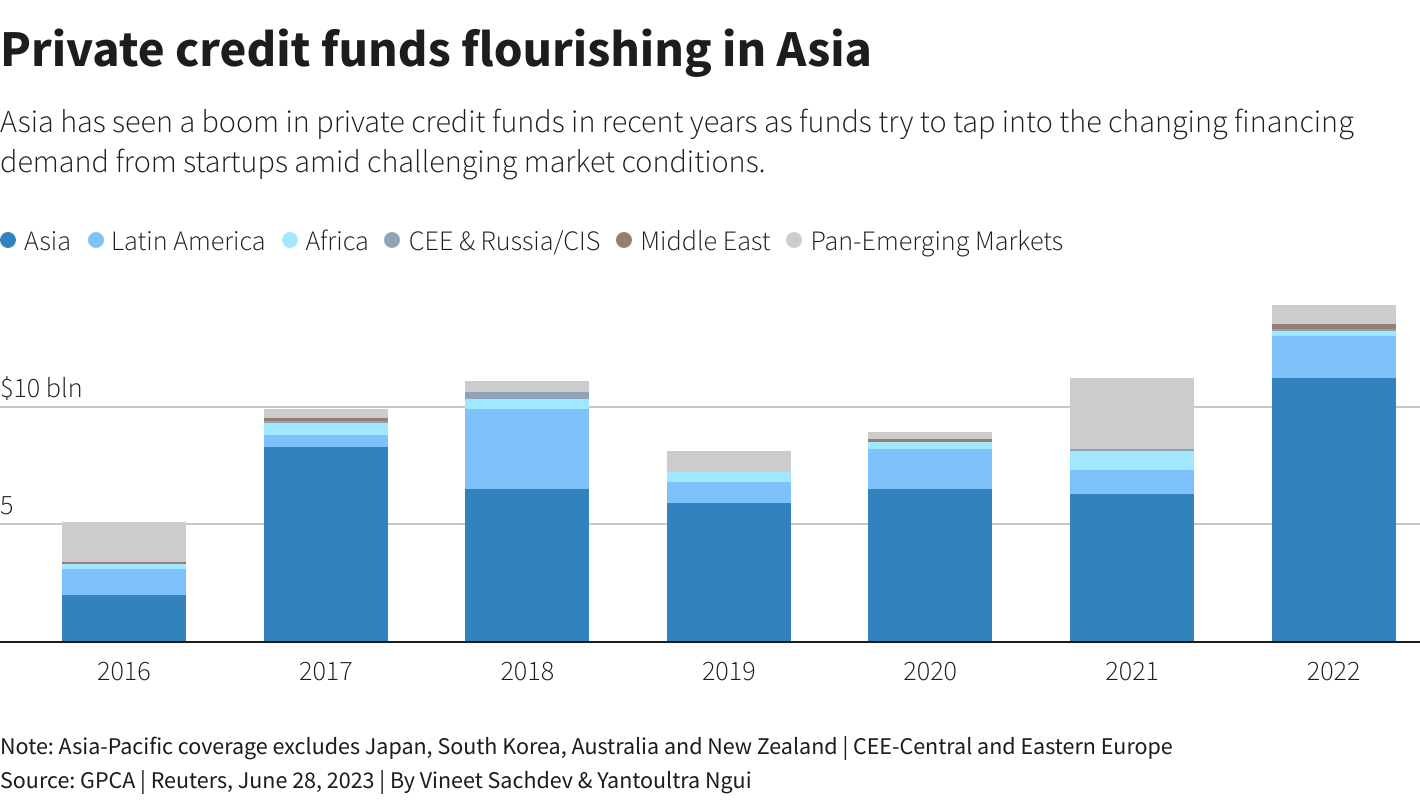
That shift matters because it changes what private credit managers are actually managing. Underwriting still matters, but now so do quarterly marks, reputation, adviser behavior and withdrawal mechanics. Firms including Apollo, Ares and Blue Owl spent the past cycle pushing private credit beyond pensions and endowments into the wealth channel, helping fuel the asset class?? explosive growth. Yet the very feature that expanded the market, fund-like accessibility wrapped around long-duration loans, may now force a repricing of the business model. If investors treat redemption windows as a promise rather than a privilege, managers will face pressure to hold more liquidity, standardize disclosure and write tougher fund terms, all of which could reduce returns or curb growth.
What looks today like a handful of fund gates is better understood as the first real stress test of private credit?? retail era, and the early signal is that convenience may prove harder to scale than yield.
The BossBlog Daily
One email with the AI markets brief — the 13F moves, the Congressional trades, and what changed. No fixed schedule and no filler: it goes out when there is something worth sending.
Unsubscribe any time. We never sell or share the list.