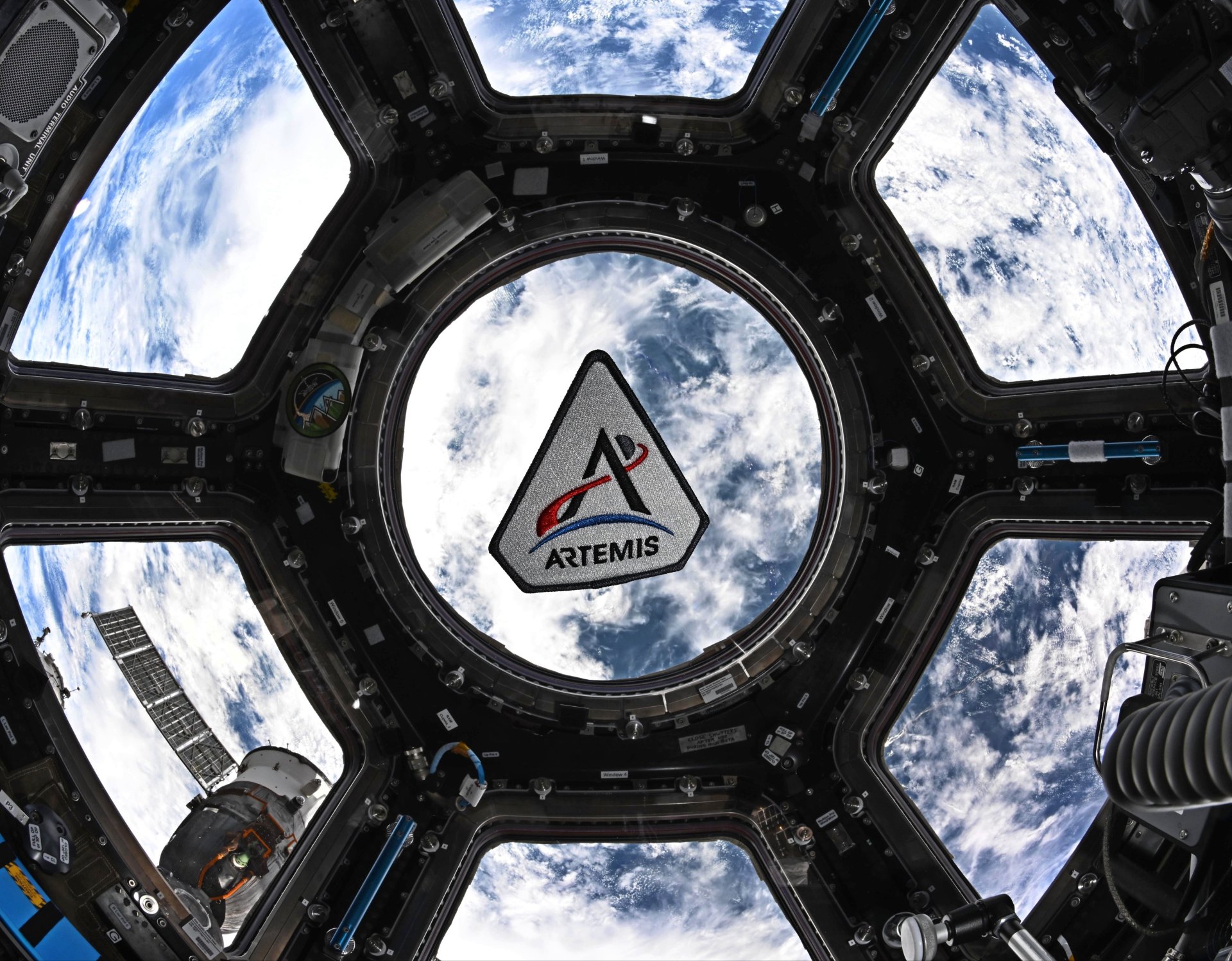
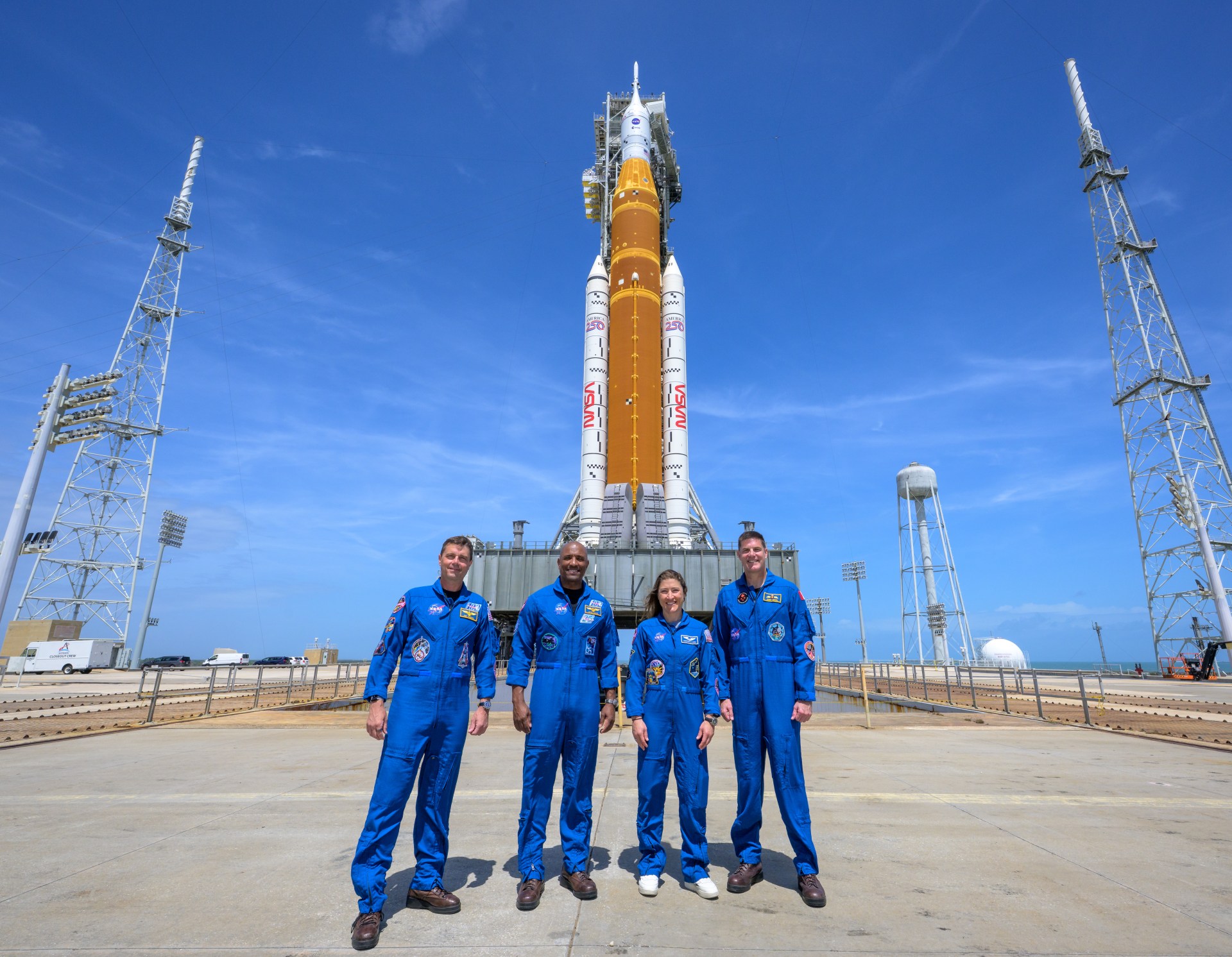
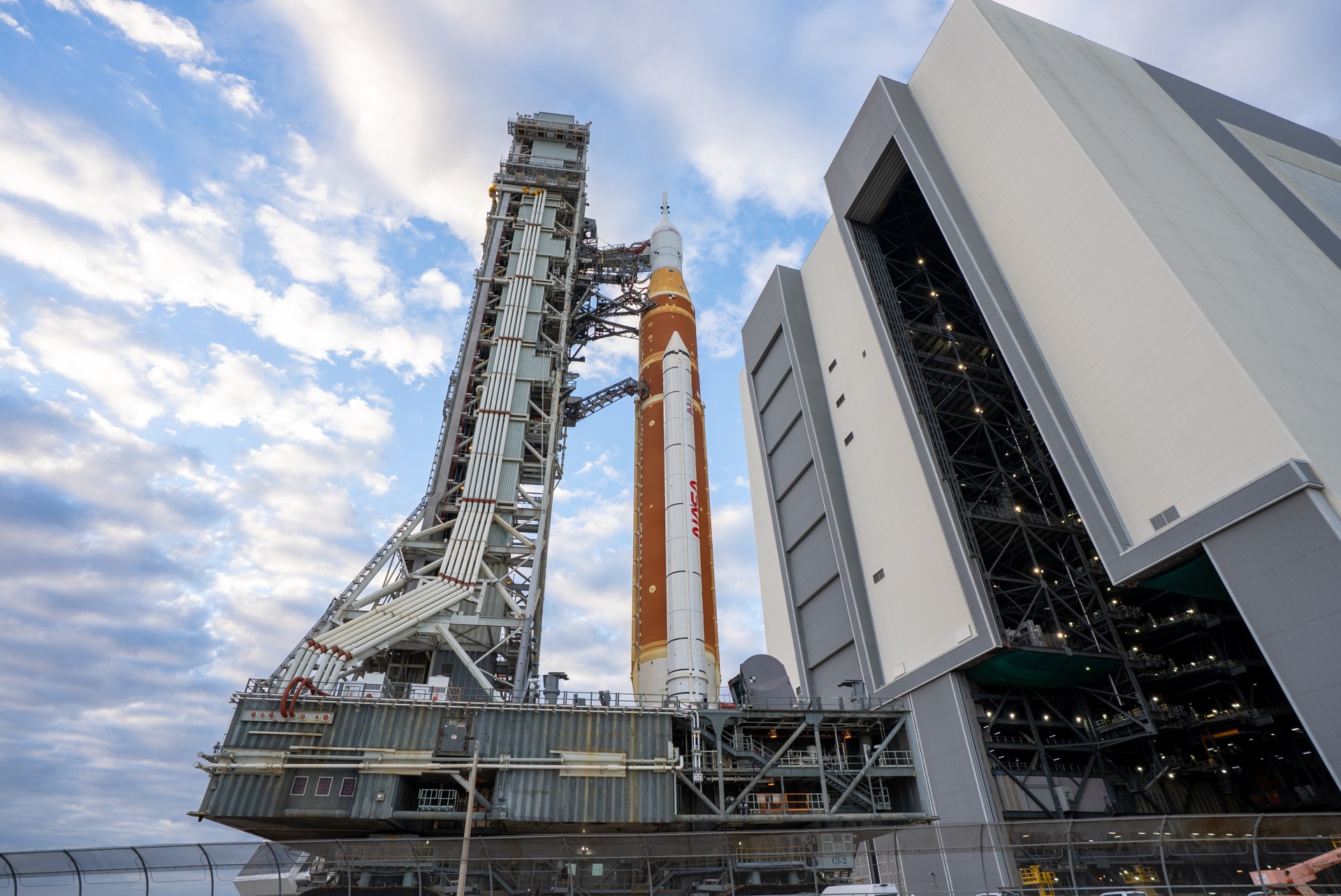
NASA Artemis II is launching today at 6:24 PM EDT from Kennedy Space Center, marking humanity's return to crewed lunar exploration after more than half a century. The mission represents the first crewed journey around the Moon since Apollo 17 in December 1972, carrying four astronauts on a historic trajectory that could cement a legacy of American space achievement.
An 80 percent favorable weather forecast had initially suggested good conditions for the launch, but a major solar flare has emerged as a potential threat to the mission timeline. Space weather conditions are being monitored closely as NASA engineers assess whether the solar event will affect launch operations or crew safety.
President Trump is expected to attend the launch, joining the millions of Americans and observers worldwide who have turned their attention to Kennedy Space Center for this historic moment. The mission has generated extraordinary public interest as a symbol of renewed American ambition in space.
Solar Flare Concern
A major solar flare detected in recent hours has prompted NASA to evaluate potential impacts on the Artemis II mission. Solar flares create increased radiation levels in space that can affect spacecraft electronics, communications, and potentially crew health during the lunar journey.
The timing of the flare relative to the launch window creates a decision point for mission managers. They must balance the opportunity to proceed against the risk of launching into an elevated radiation environment.
Space weather forecasting has improved substantially, but predicting the exact impact of solar events remains imprecise. NASA has established thresholds for acceptable space weather conditions that must be met before launch proceeds.
The solar flare adds drama to an already high-stakes launch opportunity. Any delay would require waiting for conditions to improve and potentially rescheduling for a future window.
Mission Objectives
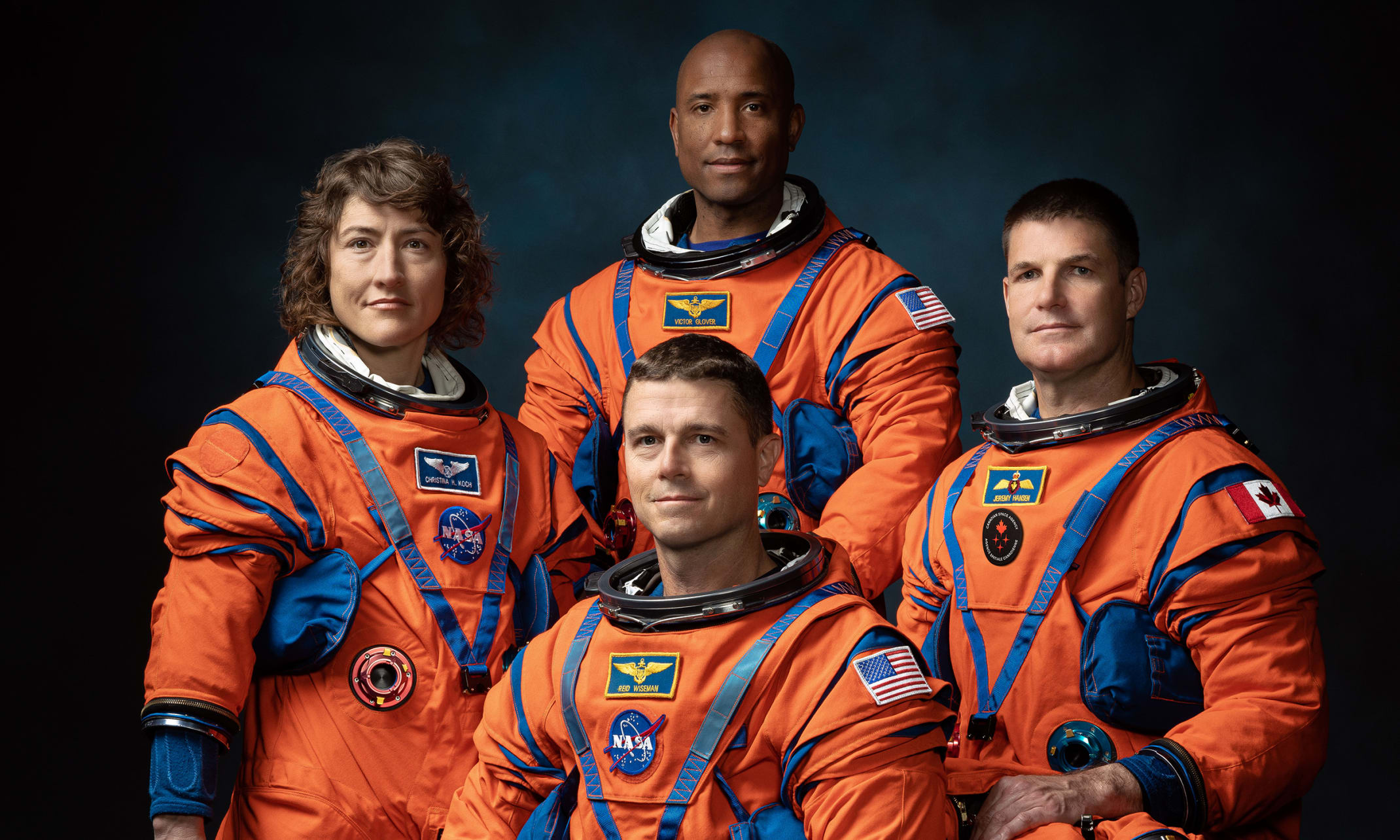
Artemis II will carry Reid Wiseman, Victor Glover, Christina Koch, and Jeremy Hansen on a journey around the Moon and back. The approximately ten-day mission will test critical life-support systems and other spacecraft capabilities with humans aboard for the first time.
The Orion spacecraft's life-support systems require validation under actual space conditions before the program can proceed to lunar landings. Artemis III is planned as the first landing mission, depending on Artemis II's success.
Navigation and communication systems will operate under real conditions rather than simulations, providing data that cannot be obtained from Earth-based testing. The mission represents a critical intermediate step toward sustainable lunar presence.
Technical Readiness
NASA has conducted extensive reviews to ensure technical readiness for the Artemis II mission. The Space Launch System rocket and Orion spacecraft have undergone testing that validates their capability for crewed flight.
The uncrewed Artemis I mission in 2022 provided valuable data that has informed preparations for Artemis II. Lessons learned from that flight have been incorporated into hardware and procedures.
Ground systems at Kennedy Space Center have been prepared for the complex launch operations. The launch team includes thousands of specialists coordinating across multiple systems.
Weather Forecast
Despite concerns about the solar flare, atmospheric weather conditions at Kennedy Space Center remain favorable. The 80 percent favorable forecast suggests a high probability of acceptable launch conditions.
Weather constraints for launch include factors like wind shear, precipitation, and lightning risk. These conditions must be within acceptable ranges for the SLS rocket and Orion spacecraft.
The combination of space weather and atmospheric weather creates a complex decision matrix for mission managers. Both must be acceptable for launch to proceed.
Historical Context
The Apollo program achieved six successful lunar landings between 1969 and 1972, representing one of humanity's greatest technological achievements. The fifty-three year gap to Artemis II reflects the complexity and cost of crewed deep space missions.
Artemis represents a sustained commitment to lunar exploration rather than a single achievement. The program aims to establish presence on the Moon rather than brief visits.
The international nature of Artemis, including partnerships with Canada and contributions from other nations, distinguishes the program from the national competition that drove Apollo.
The BossBlog Daily
Essential insights on AI, Finance, and Tech. Delivered every morning. No noise.
Unsubscribe anytime. No spam.
Tools mentioned
AffiliateSelected partner tools related to this topic.
AI Copilot Suite
Content drafting, summarization, and workflow automation.
Try AI Copilot →
AI Model Monitoring
Track model quality, latency, and drift with alerts.
View Monitoring Tool →
Low-fee Global Broker
Multi-market access with transparent pricing.
Open Broker Account →
Some links above are affiliate links. We earn a commission if you sign up through them, at no extra cost to you. Affiliate revenue does not influence editorial coverage. See methodology.