The Department of Homeland Security partial shutdown has become the longest in United States history, marking a significant milestone in the ongoing budget dispute that has paralyzed Congress. The situation represents an unprecedented disruption to the fourth largest agency in the federal government, affecting thousands of employees and critical national security functions.
TSA personnel continue to report for duty despite facing delays in pay, with an executive order attempting to address compensation having limited effect on the ground. Workers have expressed frustration as the shutdown extends beyond any previous federal funding gap in the nation's history.
World Cup security preparations have fallen significantly behind schedule as DHS components responsible for event coordination remain understaffed. The international sporting event presents a concrete deadline that underscores the real-world consequences of continued congressional inaction.
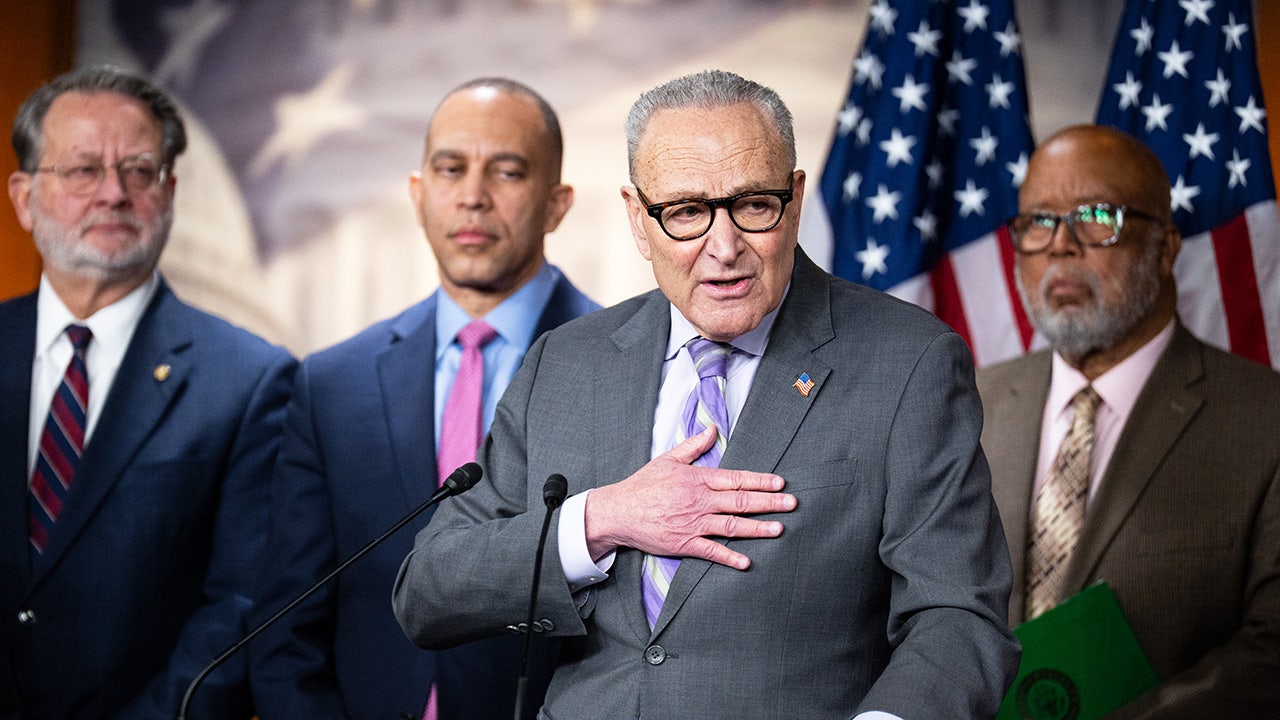
Congress remains deadlocked on funding measures with no resolution in sight as negotiators from both parties fail to find common ground. The impasse reflects deeper ideological divisions over government spending priorities and immigration policy that have blocked previous attempts at compromise.
Impact on DHS Operations
The partial shutdown has forced the Department of Homeland Security to curtail operations across multiple mission-critical functions. Border security patrols have been reduced, visa processing backlogs have grown, and cybersecurity monitoring capabilities have been diminished.
TSA officers continue screening passengers at airports but have been working without regular pay since the shutdown began. The stress of financial uncertainty has begun affecting morale and attendance at an agency that faces constant public scrutiny.
Coast Guard operations protecting maritime borders have continued with essential personnel, but training exercises and routine patrols have been suspended. The gap in readiness could create vulnerabilities that adversaries might exploit during the extended shutdown period.
Customs and Border Protection agents at ports of entry have faced similar challenges, processing travelers with reduced staffing levels. International passengers have reported longer wait times and diminished inspection thoroughness as the shutdown persists.
Congressional Deadlock
Negotiations have repeatedly collapsed over fundamental disagreements about government spending levels and immigration policy provisions. Both chambers have advanced proposals that failed to attract sufficient support from the minority party, leaving no path to the votes needed for passage.
Republican leaders have insisted on spending cuts that Democrats have characterized as unacceptable reductions to essential services. Democratic proposals for clean continuing resolutions have been rejected by Republican negotiators as insufficiently addressing conservative priorities.
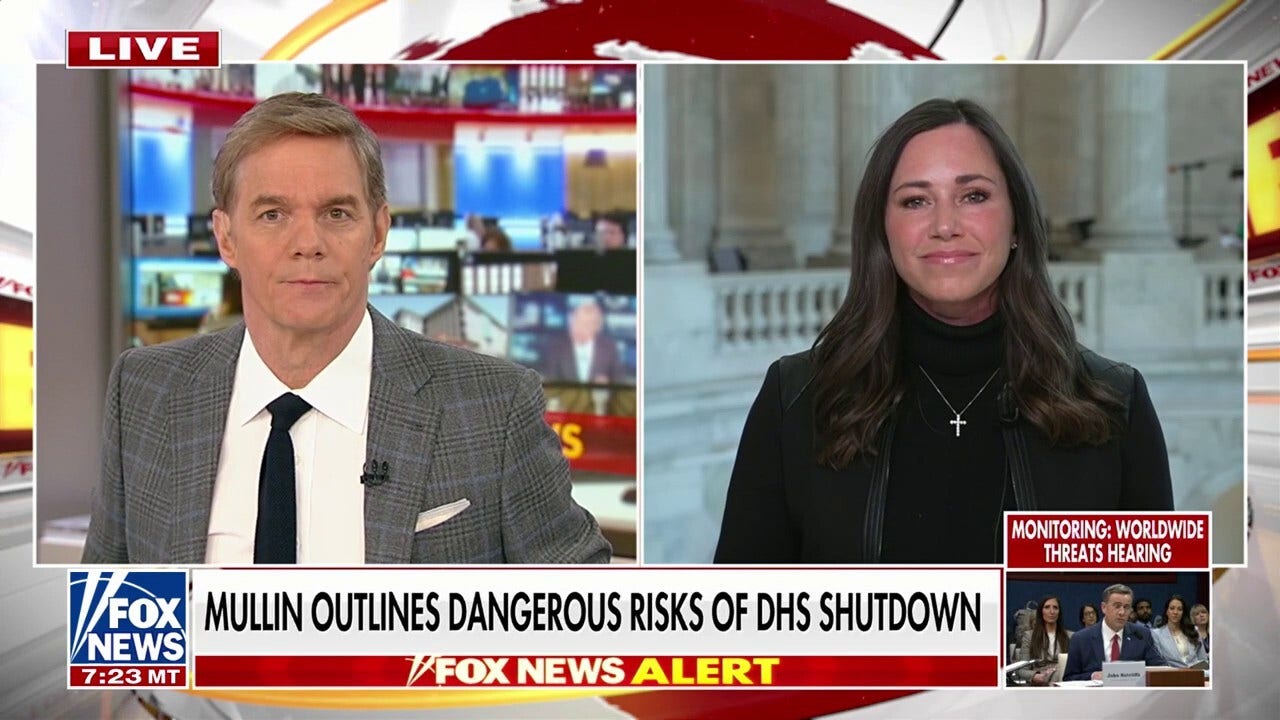
Senate Majority Leader John Thune told Fox News Digital that Democrats have been behoved to their base and forced into a position to continue blocking government funding in a bid to defund Immigration and Customs Enforcement. Democratic lawmakers have repeatedly voted against DHS spending bills absent reforms to immigration enforcement priorities.
The White House has been involved in discussions but has so far failed to broker an agreement between the competing factions. President Trump's influence appears limited as congressional leaders from his own party have pursued independent strategies.
Employee Impact
DHS employees have been thrust into financial uncertainty as paychecks stop arriving on schedule. Many workers have described the difficult choices they face between paying bills and continuing to report for work without compensation.
TSA officers, who are among the lowest-paid federal workers, have been particularly hard hit by the shutdown. Some have begun seeking second jobs to cover expenses while continuing their essential security roles.
Contract workers employed by DHS have faced even more dire circumstances, with some losing access to health insurance and other benefits during the shutdown. These workers often perform essential functions but receive fewer protections than federal employees.
The stress of uncertainty has begun affecting workplace conditions as employees struggle to maintain focus on mission-critical tasks. Supervisors have reported increased absenteeism and declining morale as the shutdown extends further beyond previous records.

World Cup Security Concerns
Security preparations for the World Cup have been significantly disrupted by the DHS shutdown. The international sporting event requires months of advance coordination with foreign governments and international organizations, much of which has stalled.
Federal agencies responsible for threat assessment, credentialing, and venue security have been operating with severely reduced workforces. Private sector contractors supporting these efforts have faced payment delays that threaten to further slow progress.
International partners have begun expressing concern about the ability of the United States to fulfill its security commitments. The State Department has scrambled to reassure allies that the shutdown will not affect the safety of international visitors.
The Department of Justice has warned that extended preparation delays could create vulnerabilities that terrorist organizations might exploit. Intelligence sharing with foreign partners has continued but at reduced levels due to personnel shortages.
Historical Significance
The current shutdown has surpassed all previous funding gaps in American history, establishing a new record that reflects the deepening dysfunction in the congressional appropriations process. The previous record of twenty-one days set during the Clinton administration has been exceeded by a significant margin.
The prolonging of the shutdown into record territory has changed the calculation for both parties. What began as a political test of resolve has become a governance crisis with tangible consequences for public safety and international standing.
Historical comparisons to previous shutdowns have given way to recognition that the current situation represents something qualitatively different. The combination of partisan deadlock and length creates a new chapter in federal budget history.
Experts on federal management have warned that extended shutdowns cause lasting damage to government capacity that persists long after funding resumes. The institutional knowledge lost through attrition and the morale damage from prolonged uncertainty may take years to repair.
Resolution Outlook
No clear path to ending the shutdown has emerged from ongoing negotiations. Both parties have shown reluctance to accept terms that could be characterized as capitulation to the opposition.
Bipartisan Senate proposals continue to be discussed but face uncertain futures in both chambers. The pressure of approaching deadlines may eventually force concessions from one side or the other.
The possibility of a long-term continuing resolution that extends the shutdown for months has gained traction among some observers. Such an outcome would compound the damage to government operations but represents a potential off-ramp for legislators seeking to avoid direct blame.
The coming weeks will test whether partisan pressures or governing instincts ultimately prevail in Congress. The stakes extend beyond the immediate budget dispute to questions about the capacity of democratic institutions to perform their most basic functions.
The BossBlog Daily
Essential insights on AI, Finance, and Tech. Delivered every morning. No noise.
Unsubscribe anytime. No spam.
Tools mentioned
AffiliateSelected partner tools related to this topic.
AI Copilot Suite
Content drafting, summarization, and workflow automation.
Try AI Copilot →
AI Model Monitoring
Track model quality, latency, and drift with alerts.
View Monitoring Tool →
Low-fee Global Broker
Multi-market access with transparent pricing.
Open Broker Account →
Some links above are affiliate links. We earn a commission if you sign up through them, at no extra cost to you. Affiliate revenue does not influence editorial coverage. See methodology.