
The Federal Reserve's April 2026 meeting minutes, released on May 20, delivered a stark reversal of market expectations: a majority of participants highlighted that "some policy firming would likely become appropriate" if inflation continues to run persistently above the 2% target. This language marks a decisive shift from the rate-cut debate that dominated Wall Street discourse through late 2025. Traders on Kalshi now price a 63% chance of a rate hike by July 2027, with 43% odds that the increase comes this year. The minutes reflect a central bank caught between two powerful forces: the inflationary pressures from the Middle East war and the capital-intensive AI boom. These forces have reshaped the interest-rate outlook. For investors who had positioned portfolios for easing, the message is unambiguous: the Fed is prepared to tighten further, and the window for rate cuts has closed. This matters now because the repricing of rate expectations is already cascading through bond markets, bank balance sheets, and growth-stock valuations, forcing a fundamental reassessment of the macro regime.
Where the Majority of Fed Officials Now Stand
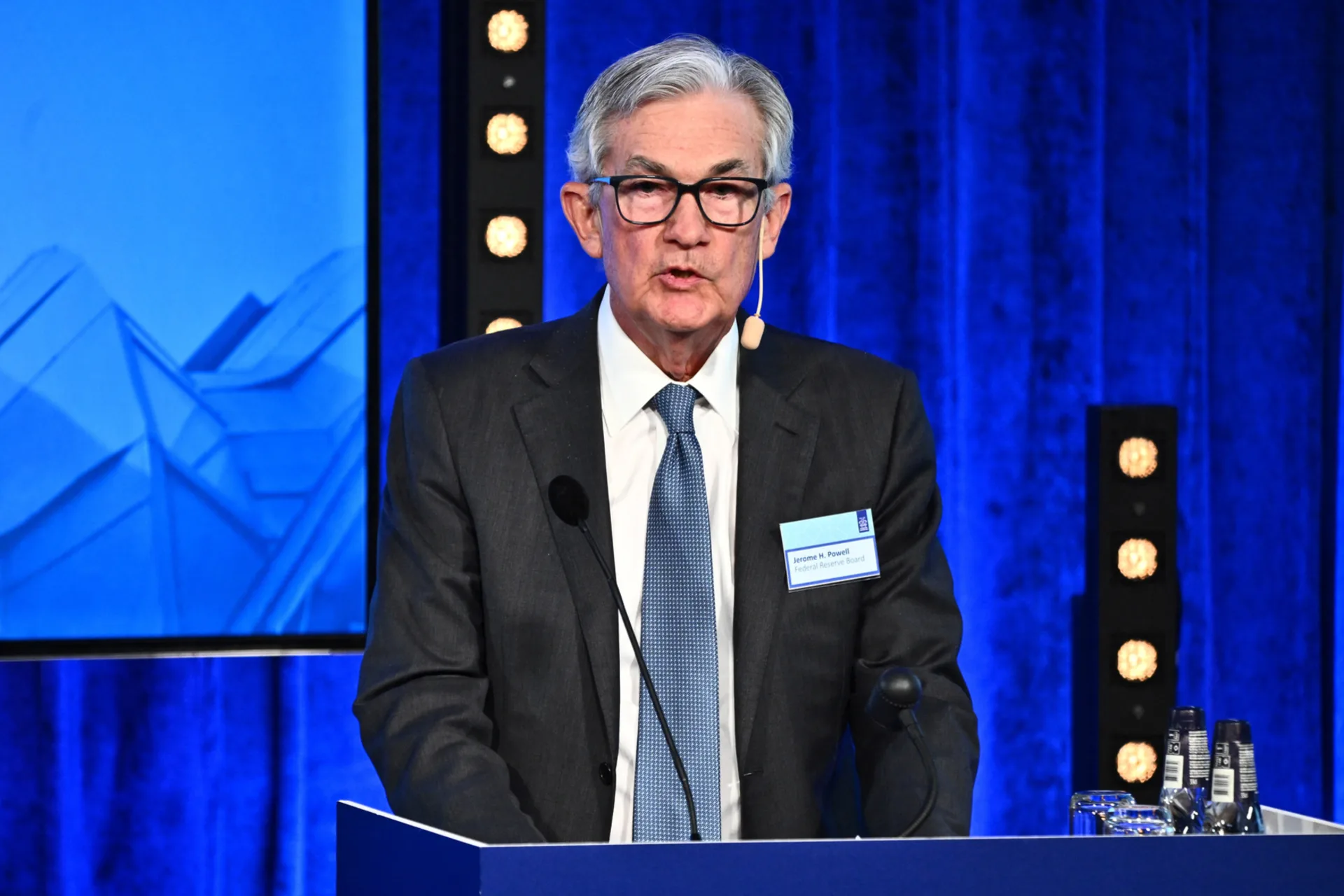
The April minutes reveal that the shift toward a hawkish posture is broad-based. A majority of participants explicitly stated that "some policy firming would likely become appropriate" if inflation remains persistently above 2%. This is not the language of a divided committee: it is a consensus signal that the next move, if any, is upward. The minutes also show that officials are looking to hold rates at current elevated levels for longer than previously anticipated, effectively abandoning the dovish pivot that markets had been pricing in since late 2025. The key trigger is persistence: the Fed is no longer willing to look through temporary inflation spikes. Instead, it is demanding sustained evidence that price pressures are receding toward the 2% target before considering any easing. The minutes note that higher inflation and a better-than-expected labor market have dampened hopes for rate cuts, creating a feedback loop where strong economic data actually increases the probability of tighter policy. This represents a fundamental break from the post-2022 playbook, where the Fed could afford to be patient. Now, patience has a cost: the risk of overtightening if the economy weakens while inflation remains sticky. The minutes also show that officials debated the specific threshold for action: several participants noted that if monthly core PCE readings remain above 0.3% for another quarter, a hike would become warranted.
How the Money Flows Through Markets and Balance Sheets
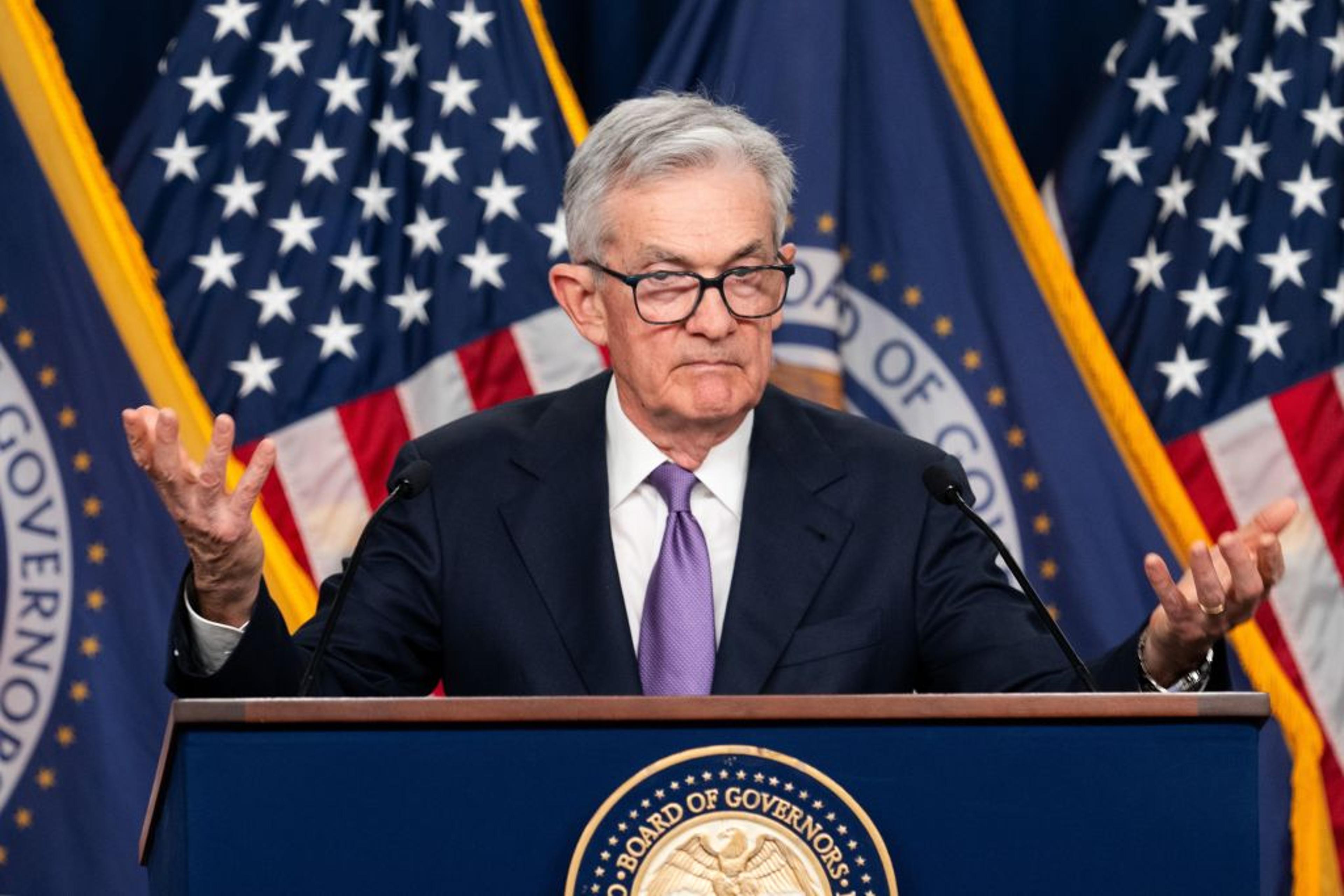
The repricing of rate expectations has immediate and measurable consequences for financial assets. For banks, higher-for-longer rates compress net interest margins as deposit costs rise faster than loan yields, particularly for regional lenders that rely on floating-rate funding. The 63% probability of a hike by July 2027, as priced by Kalshi traders, implies that the entire yield curve must shift upward to reflect the new regime. Short-term Treasury yields will rise first, pulling up corporate borrowing costs and increasing the cost of capital for leveraged buyouts and M&A activity. For growth stocks, the math is brutal: higher discount rates reduce the present value of distant cash flows, compressing valuations for unprofitable tech companies and speculative AI plays. The bond market is already signaling the shift: the 2-year Treasury yield, which is most sensitive to Fed policy, has moved higher as traders unwind rate-cut bets. Wolfe Research, led by Chris Senyek, has noted that the market is now pricing in a "higher-for-even-longer" scenario that will test the resilience of corporate balance sheets. Companies with floating-rate debt will face immediate margin pressure, while those with strong cash positions will have an advantage in a world where cash yields remain elevated. The net effect is a transfer of income from borrowers to savers, with banks caught in the middle. Credit spreads in investment-grade and high-yield markets have begun to widen, reflecting the market's updated estimate that refinancing risk is rising and that the Fed no longer has the appetite to ride to the rescue of overleveraged borrowers. This spread widening is an early-warning signal that the credit cycle is turning, with implications for loan-loss provisioning at major commercial banks that could show up in second-quarter earnings.
The Competitive Reshuffle: Who Gains and Who Loses
The hawkish pivot reshuffles the competitive landscape across financial services and asset management. Kalshi, the prediction market platform, has emerged as a key venue for rate-hike bets, capturing market share from traditional derivatives exchanges by offering direct exposure to Fed outcomes. The 63% probability of a hike by July 2027 and 43% odds of a hike this year are being actively traded on the platform, drawing volume away from CME Fed funds futures. For traditional banks, the winners are those with large securities portfolios and low-cost deposit bases: institutions like JPMorgan and Bank of America can absorb higher rates better than regionals with concentrated loan books. The losers are clearly the regional banks that loaded up on longer-duration bonds during the low-rate era and now face unrealized losses that will not be bailed out by rate cuts. Kevin Warsh, a former Fed governor, has been vocal about the risks of a policy error, arguing that the Fed is behind the curve on inflation and will need to hike more aggressively than the market currently prices. Ed Yardeni, the veteran economist, has warned that the combination of Middle East war supply shocks and AI-driven investment demand creates a "new inflationary regime" that will force the Fed to abandon its 2% target de facto, even if it maintains it de jure. The competitive dynamic is clear: firms that hedged for higher rates will outperform those that bet on a dovish pivot.
Downstream Effects on Hyperscalers, Fabs, and Enterprise Buyers
The rate-hike signal cascades directly into the capital-intensive sectors of the economy, particularly AI infrastructure. Hyperscalers like Microsoft, Amazon, and Google are in the midst of a multi-year capex cycle to build out data centers and GPU clusters, funded largely by debt. A 50-basis-point hike adds billions of dollars in annual interest costs to these programs, forcing CFOs to re-evaluate project timelines and return thresholds. The AI boom, which has been a key driver of inflation according to the Fed minutes, now faces a higher cost of capital that will slow the pace of investment. For semiconductor fabs, the impact is even more direct: TSMC and Intel are building factories that cost $20 billion to $40 billion each, with construction financed by a mix of corporate bonds and government subsidies. Higher rates increase the weighted average cost of capital for these projects, reducing their net present value and potentially delaying capacity additions. Enterprise buyers of AI services will face higher prices as hyperscalers pass through increased capital costs, compressing the ROI of AI deployments. The Fed's hawkish stance also strengthens the dollar, making US exports more expensive and reducing the competitiveness of American-made chips and equipment in global markets. For the broader supply chain, the message is that the era of cheap capital is definitively over, and every investment decision must now clear a higher hurdle rate.
The Policy Signal: A New Regime for Monetary Strategy
The April minutes represent more than a tactical shift: they signal a strategic recalibration of how the Fed operates in a world of structurally higher inflation. The explicit linkage between persistent inflation and rate hikes, combined with the acknowledgment that the Middle East war and AI boom have reshaped the outlook, suggests that the central bank is moving away from the pre-2025 framework where inflation was seen as transitory. Jerome Powell and his colleagues are now operating under the assumption that supply-side shocks are becoming more frequent and more persistent, requiring a more proactive tightening stance. This has profound implications for the forward guidance mechanism: the Fed is effectively telling markets that it will not hesitate to hike even if growth slows, prioritizing inflation credibility over employment support. The minutes also reveal a central bank that is increasingly data-dependent in a way that reduces predictability: every strong CPI or jobs report will now trigger a repricing of hike probabilities, creating volatility in rates markets. For policymakers, the signal is that the 2% target is non-negotiable, even if achieving it requires a recession. This is a return to the Volcker-era mindset, adapted for a world where fiscal deficits, energy shocks, and technological investment cycles all push inflation higher. The market must now price in a Fed that is willing to break things to prove its commitment.
The implications for the next 12 to 18 months are stark. If inflation remains sticky above 3%, the 43% probability of a hike this year will converge toward certainty, and the 63% probability of a hike by July 2027 will become a baseline assumption rather than a tail risk. The bond market will continue to reprice upward, pulling mortgage rates and corporate borrowing costs with it. For investors, the playbook is to shorten duration, favor value over growth, and hedge against the possibility that the Fed overtightens into a weakening economy. The wildcard remains the Middle East war: if energy prices spike further, the Fed will face the impossible choice of hiking into a supply-shock recession or abandoning its inflation mandate. Either outcome is bearish for risk assets. The AI boom, which has been the primary driver of equity market returns in 2025 and early 2026, will face its first real test as the cost of capital rises and the marginal return on GPU investment declines. Companies that have been spending freely on AI infrastructure will need to demonstrate a clear path to profitability, or face the wrath of a market that no longer tolerates cash-burning growth stories. The Fed has drawn a line in the sand, and the next move will define the macro regime for the remainder of the decade.
The BossBlog Daily
One email with the AI markets brief — the 13F moves, the Congressional trades, and what changed. No fixed schedule and no filler: it goes out when there is something worth sending.
Unsubscribe any time. We never sell or share the list.