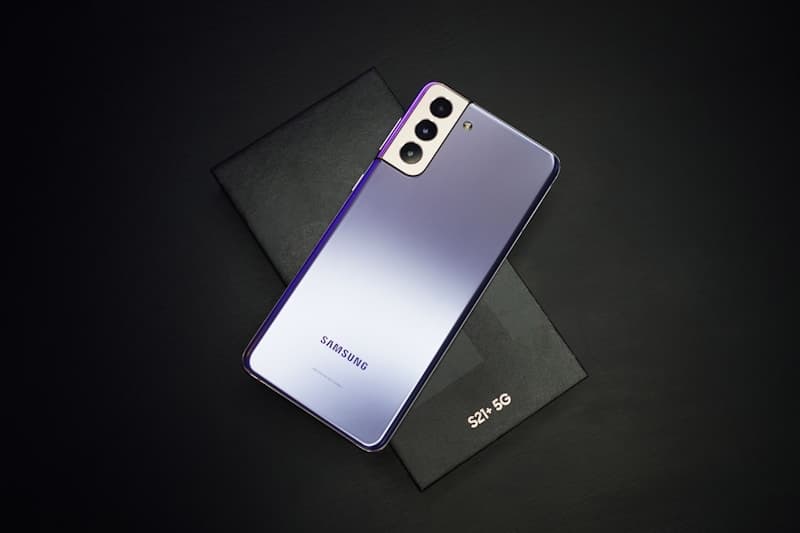
Samsung has released its April 2026 security patch, addressing a significant number of vulnerabilities across Galaxy devices. The update fixes 47 distinct security issues, including several rated as high or critical severity that could potentially enable remote code execution and privilege escalation on affected devices. The comprehensive nature of the patch demonstrates Samsung's commitment to maintaining the security of its extensive device ecosystem.
The security update encompasses fixes from multiple sources, including 33 Google Android security fixes, 10 Samsung Mobile-specific patches, and 4 Samsung Semiconductor-related security improvements. This layered approach to security reflects the complex supply chain that characterizes modern mobile device manufacturing, where components from multiple vendors must be secured against potential threats.
The severity of several vulnerabilities fixed in this release warrants immediate attention from Galaxy users. Security researchers have identified multiple issues that could allow malicious actors to gain unauthorized access to device functionality, potentially exposing sensitive user data or enabling surveillance capabilities. The patches address both software-level vulnerabilities and hardware-level security concerns that were identified through Samsung's internal security review processes.

Vulnerability Details
The April 2026 patch addresses vulnerabilities across multiple categories of security risk. Several critical severity vulnerabilities could allow attackers to execute arbitrary code on affected devices without user interaction. These issues were particularly concerning because they could potentially be exploited through malicious applications or compromised websites, making user vigilance alone insufficient for protection.
The patch also addresses multiple privilege escalation vulnerabilities that could allow malicious applications to gain elevated system access. While Android's permission system provides some protection against such attacks, the vulnerabilities fixed in this release could have allowed applications to bypass normal permission boundaries and access sensitive system functions.
Media framework vulnerabilities are also addressed in this update, reflecting ongoing efforts to secure the multimedia processing components that handle user-generated content. The potential for malicious media files to trigger code execution made these vulnerabilities particularly important to address, as users routinely share images, videos, and audio files that could potentially be weaponized.
Semiconductor Security
The inclusion of Samsung Semiconductor patches in this security update highlights the increasingly important role of chip-level security in mobile devices. Modern smartphones depend on specialized processors for functions ranging from baseband communications to cryptographic operations, and vulnerabilities in these components can affect all devices that use them regardless of software-level protections.
The semiconductor fixes address potential vulnerabilities in the communication processors that handle cellular connectivity. These components operate at a low level in the device architecture and have access to sensitive information including network credentials and communication content. Securing these components requires close collaboration between semiconductor manufacturers and device makers.
The chip-level security patches also address potential side-channel attacks that could theoretically allow attackers to extract sensitive information from device memory. While such attacks typically require sophisticated technical capabilities to execute, the severity of potential consequences makes addressing these vulnerabilities a priority for device manufacturers.
Update Deployment
Samsung is deploying this security update through its standard OTA (over-the-air) update mechanism. Users can access the update through their device settings by navigating to Settings > Security updates, where the April 2026 patch should be available for eligible devices. The update is being released in phases to ensure stable deployment and to address any unexpected issues that may arise during the rollout.
Enterprise users with mobile device management systems should verify that their fleet of Galaxy devices is receiving and installing this critical security update. The vulnerabilities addressed in this patch are significant enough that organizations with sensitive data on mobile devices should consider implementing mandatory update policies to ensure all devices in their fleet are protected.
The timing of security updates has become increasingly important as attackers quickly move to exploit known vulnerabilities once patches are released. Users who delay installing security updates may find themselves vulnerable to exploits that become publicly available shortly after patches are released. Samsung's recommendation is that all users install this update as soon as it becomes available on their device.

Mobile Security Ecosystem
The Samsung security update demonstrates the collaborative nature of mobile device security. The patches address vulnerabilities across the Android operating system, Samsung's custom additions to the platform, and hardware components from various suppliers. This collaborative approach to security reflects the reality that modern mobile devices depend on complex software and hardware ecosystems.
The coordination between Google and Samsung in addressing Android vulnerabilities represents an important aspect of mobile security. Google provides the foundational security patches through its monthly Android security bulletins, while device manufacturers like Samsung must adapt these patches to their specific hardware configurations and software customizations. This process requires significant resources and expertise to ensure that patches are properly integrated and do not introduce new issues.
The semiconductor security patches included in this update reflect the growing attention being paid to hardware-level security in mobile devices. As software vulnerabilities become more difficult to exploit due to improved security practices, attackers have increasingly turned their attention to hardware-level attacks. The patches address potential vulnerabilities in the specialized processors that power key device functions.
Enterprise Implications
Organizations with Galaxy devices in their mobile fleets should prioritize this security update given the severity of the vulnerabilities being addressed. The potential for remote code execution and privilege escalation makes these vulnerabilities particularly concerning for enterprise environments where devices may contain sensitive business data.
Mobile device management teams should verify that all managed Galaxy devices have received and installed this security update. Organizations may want to consider implementing update compliance policies that require devices to be updated within a specific timeframe after patches become available. This approach helps ensure that enterprise data remains protected against known vulnerabilities.
The patch also provides an opportunity for organizations to review their mobile security policies and ensure they address the evolving threat landscape. Regular security updates are essential, but organizations should also consider additional security measures such as mobile threat defense solutions that can provide protection against zero-day attacks and other advanced threats that may not be addressed by standard security patches.
The BossBlog Daily
One email with the AI markets brief — the 13F moves, the Congressional trades, and what changed. No fixed schedule and no filler: it goes out when there is something worth sending.
Unsubscribe any time. We never sell or share the list.