
The US-Iran ceasefire announced on April 7-8 brought immediate relief to global financial markets, with oil prices dropping from sustained levels above 110 dollars per barrel to around 92 dollars. The stock market surged in response, with the S&P 500 gaining between 2.5 and 2.85 percent on the news that the two-week ceasefire had been agreed to after 40 days of fighting. However, beneath the surface of this diplomatic breakthrough, the energy crisis triggered by the Iran conflict remains far from resolved. The Strait of Hormuz, through which 20 percent of the world's oil and gas is shipped during peacetime, has seen traffic remain 90 to 95 percent below normal levels despite the announced reopening. Iran is selectively permitting only vessels flagged to Russia and China to transit the waterway, charging transit fees denominated in yuan in an apparent attempt to circumvent Western sanctions. Goldman Sachs has warned that Brent crude could remain above 100 dollars per barrel throughout 2026.
The gap between the market euphoria following the ceasefire announcement and the physical reality of oil supply disruptions illustrates a fundamental truth about commodity markets. Negotiated diplomatic outcomes do not immediately restore the physical infrastructure of energy production and transportation that was disrupted by weeks of conflict. The well shutdowns, scattered tanker fleets, and saturated storage facilities that accumulated during the Hormuz closure cannot be reversed simply because a ceasefire has been declared.

The Physical Reality
The logistical challenges of restarting Gulf energy production after six weeks of active conflict are substantial and cannot be resolved within the two-week ceasefire window. For ships to return to the Gulf and resume loading operations, owners require confidence that the ceasefire will hold for a sufficient period to make the voyage worthwhile. The current two-week timeline creates uncertainty that keeps much of the global tanker fleet positioned elsewhere.
Even after vessels return to the region, producers face the challenge of restarting wells that were shut in as storage capacity filled and shipping options disappeared. Restarting production is not analogous to flipping a switch. The process is expensive and technically demanding, with some wells requiring specialized procedures to restore flow after extended shutdown periods.
The storage situation compounds the restart challenge. Onshore storage facilities in the Gulf are full after weeks of accumulated production finding no outlet, and floating storage vessels have reached capacity limits. The oil that has been shut in underground cannot simply be pumped out immediately once an outlet becomes available.
Production Losses
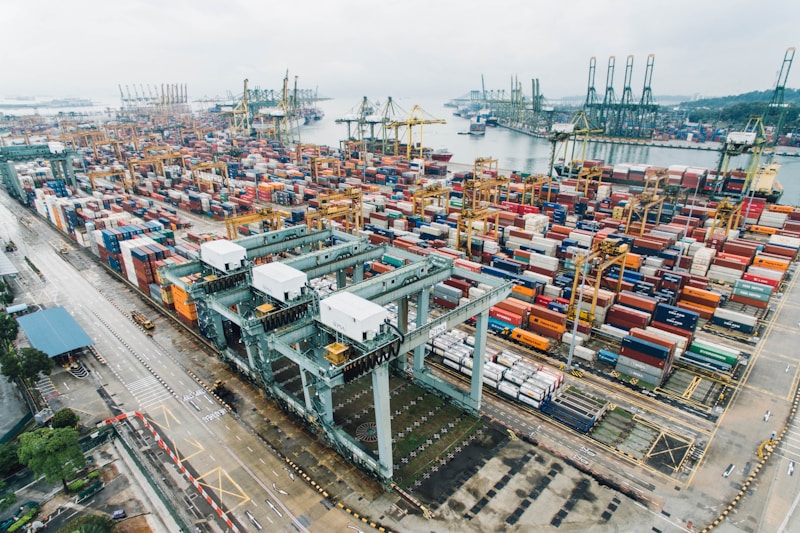
Shipping data from Kpler analyzed by Al Jazeera's Open Source Unit reveals the scale of the production losses that have accumulated. Combined oil exports from Iraq, Kuwait, Oman, Qatar, Saudi Arabia, and the UAE fell from 469 million barrels in February to 263 million barrels in March, a decline of 206 million barrels or 44 percent. The distribution of losses has been uneven, with some producers hit far harder than others depending on their port locations and pipeline alternatives.
Iraq's crude exports experienced the most severe disruption, falling 82 percent from 94 million barrels in February to just 17 million in March. Kuwait and Qatar each lost roughly three-quarters of their normal crude shipments, with 75 and 70 percent declines respectively. Saudi Arabia and the UAE managed smaller proportional declines of 34 and 26 percent respectively, partly supported by floating storage and pipeline routes that avoid the Strait of Hormuz. Oman emerged as an outlier, with exports actually rising 16 percent from 25 to 29 million barrels given that many of its ports are positioned outside the Strait.
The 206 million barrels of lost Gulf oil represents approximately 103 Very Large Crude Carriers, the massive supertankers that carry roughly two million barrels each. The return of these vessels to the Gulf, their loading, and the subsequent voyages to deliver their cargo to global markets will consume weeks or months rather than days.
Goldman Sachs Warning
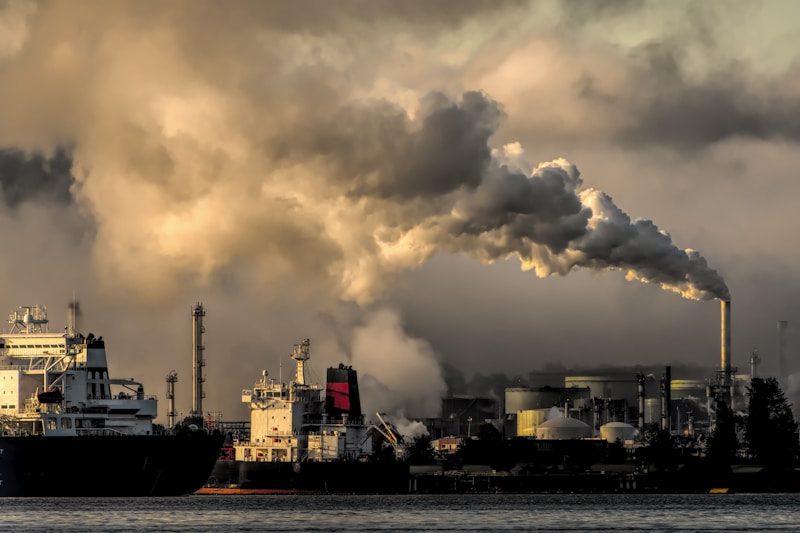
Goldman Sachs has issued a sobering assessment that Brent crude could remain above 100 dollars per barrel through the end of 2026, despite the ceasefire announcement. The investment bank's analysis reflects the recognition that the physical restoration of energy supply requires time that market participants had perhaps not fully considered when pricing the initial relief rally. The persistent elevation of oil prices above the pre-war level of approximately 65 dollars per barrel reflects genuine constraints on supply that will take months to resolve even under optimistic assumptions about ceasefire durability.
The note from Goldman highlights the distinction between the announcement effect and the physical recovery timeline that determines actual supply availability. Financial markets respond to news and expectations, but the real economy operates on the timescales of physical logistics, production restart procedures, and confidence-building measures that cannot be compressed by diplomatic announcements alone.
Geopolitical Complications
The selective reopening of the Strait of Hormuz to only Russian and Chinese-flagged vessels introduces a geopolitical dimension to the energy crisis recovery. Iran's apparent strategy of demanding yuan-denominated transit fees from preferred vessel operators represents a workaround to Western sanctions that may prove durable beyond the current ceasefire period. The arrangement allows Iran to maintain some control over Gulf energy flows while circumventing the dollar-based financial system that typically governs international shipping.
This selective reopening means that the neutral shipping nations whose tankers move the majority of global oil supplies have been effectively excluded from Gulf operations during the ceasefire. The tanker capacity available to move restored production is constrained by Iran's political decisions about which vessels may transit, limiting the speed at which exports can recover even if production capacity were immediately available.
Economic Consequences
Economists and agricultural experts have warned that the true impact of the energy crisis on consumer prices will persist throughout 2026 and into 2027. The connection between oil prices and grocery bills operates through multiple channels including transportation costs, fertilizer production, and agricultural input costs that have all been affected by the sustained elevation of energy prices. The work-from-home policies, shorter working weeks, fuel rationing, and curfews that more than 100 countries implemented during the crisis reflect the severity of the economic disruption.
The Gulf energy industry faces years of facility repair and reconstruction to restore the capacity that was damaged or destroyed during the fighting. The ceasefire provides a diplomatic foundation for recovery, but the capital investment and engineering work required to rebuild production infrastructure will extend well beyond the current crisis period.
The gap between the ceasefire announcement and the restoration of normal energy flows illustrates how financial market optimism can diverge from economic reality. Markets respond immediately to the news of diplomatic progress, but the physical economy operates on timelines determined by logistics, engineering, and confidence that cannot be accelerated by announcements alone.
The BossBlog Daily
One email with the AI markets brief — the 13F moves, the Congressional trades, and what changed. No fixed schedule and no filler: it goes out when there is something worth sending.
Unsubscribe any time. We never sell or share the list.