
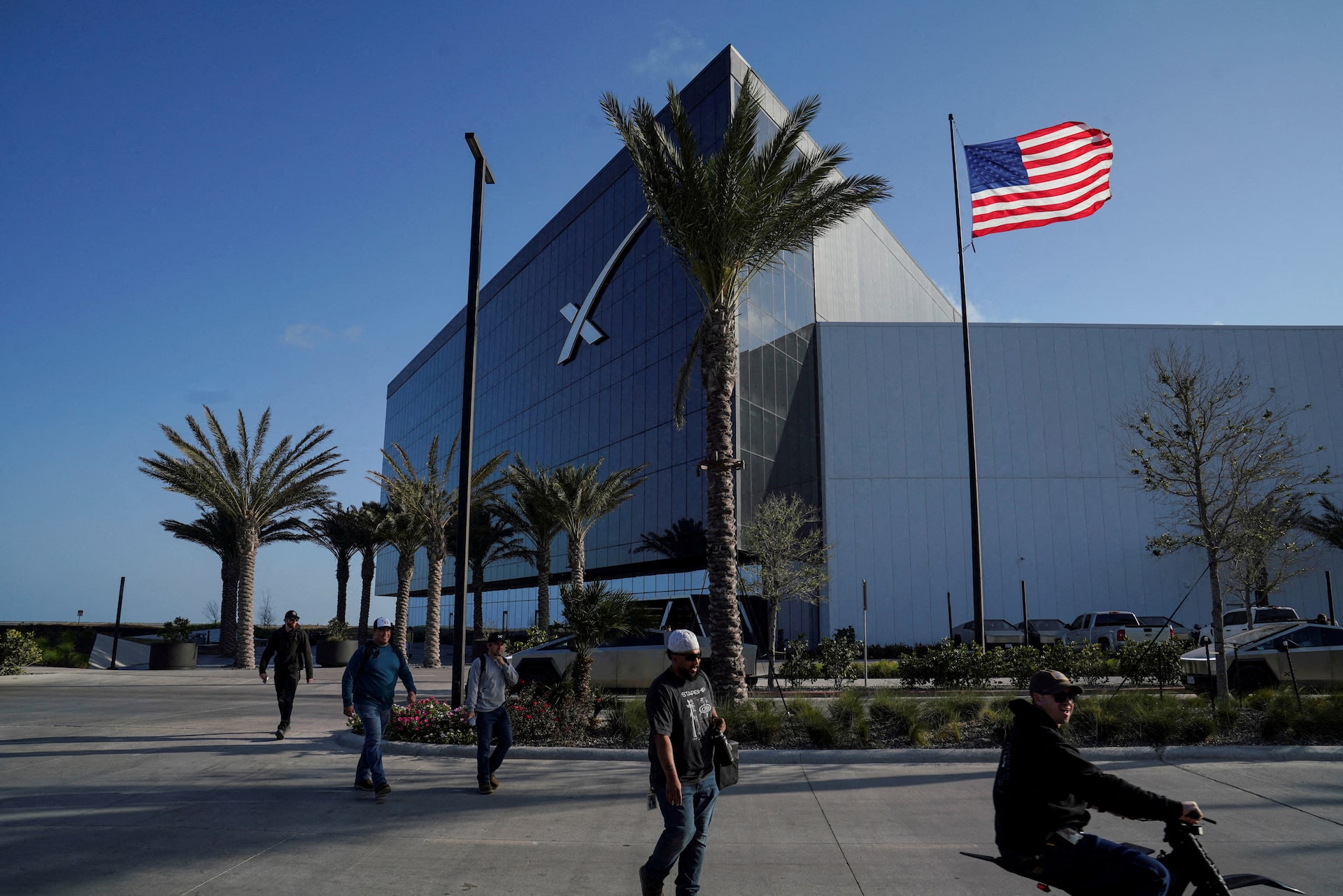

SpaceX is lining up at least 21 banks for its blockbuster IPO, assembling one of the largest underwriting syndicates in recent years, according to sources familiar with the matter. Morgan Stanley, Goldman Sachs, JPMorgan Chase, Bank of America, and Citigroup are serving as active bookrunners for the offering, code-named Project Apex internally.
The scope of the banking syndicate reflects the enormous scale and complexity of taking SpaceX public. The company has been private for years, with shares changing hands in secondary markets at valuations that have made it one of the most valuable private companies globally.
Elon Musk has denied rumors that SpaceX would exclude retail-focused brokers Robinhood and SoFi from the IPO, ensuring retail investors will have access to participate. This decision reflects lessons from other high-profile IPOs where retail exclusion generated criticism.
Additional banks could still be added to the syndicate as the offering approaches. The final valuation and offering size remain undisclosed, though SpaceX has been valued at previously stated levels in private transactions.
Banking Syndicate
The 21-bank syndicate represents an exceptional show of Wall Street support for the SpaceX offering. Most IPOs proceed with smaller syndicates, with the most prestigious mandates going to a handful of lead managers.
Morgan Stanley has emerged as the leading advisor and bookrunner, leveraging its historic position as the go-to bank for technology IPOs. The bank's relationships with institutional investors will be critical for building demand for the offering.
Goldman Sachs brings extensive experience with complex capital markets transactions and strong institutional client relationships. The bank's technology banking team has led numerous transformative IPOs.
JPMorgan Chase and Bank of America provide additional distribution muscle and balance sheet capacity. The combined reach of these institutions should ensure strong coverage across institutional and retail channels.
Citigroup rounds out the major bank representation, contributing its global reach and issuer advisory capabilities. The syndicate structure spreads economic benefits and visibility across multiple institutions.
Project Apex
The code name Project Apex suggests internal excitement about the IPO representing a pinnacle achievement for the company. The terminology implies this is the targeted conclusion of a long journey toward public markets.
SpaceX has deliberately maintained secrecy around valuation and offering details, controlling the narrative as the process unfolds. The company has learned from other large offerings where premature disclosure created market uncertainty.
The IPO timeline remains subject to market conditions and regulatory review. SpaceX will need to file registration statements with the Securities and Exchange Commission before proceeding.
The offering will test investor appetite for space-related exposure at a time when the sector has captured public imagination. SpaceX's achievements in rocket reusability and satellite deployment have positioned it as the leading private space company.
Retail Participation
Musk's statement ensuring retail broker participation addresses concerns that retail investors would be excluded from the offering. Previous large IPOs have faced criticism when institutional investors received priority access while individual investors were left with limited options.
Robinhood and SoFi have emerged as popular platforms for retail trading, giving ordinary investors access to markets previously dominated by institutional players. Including these platforms expands the potential investor base for SpaceX shares.
Retail participation also generates public interest and engagement that can support stock performance after the IPO. Broad ownership has been cited as a positive by companies seeking to democratize access to their equity.
The decision contrasts with some recent offerings where retail investors had minimal access during early trading. SpaceX appears to be positioning for inclusive ownership across investor segments.
Valuation Context
SpaceX has not publicly disclosed the valuation it will seek in the IPO. Private market transactions have suggested valuations in the range that would make SpaceX among the most valuable public companies in the aerospace and technology sectors.
The company's achievements including Starlink satellite internet, commercial cargo and crew missions for NASA, and development of the Starship rocket have driven private valuation increases. Revenue from government contracts and commercial launches provides financial foundation.
Starlink represents a particularly valuable asset given its potential for global internet coverage and revenue generation. The satellite network has been cited as a major driver of SpaceX's private valuation.
Comparisons to publicly traded space companies provide limited guidance given SpaceX's unique position and vertical integration. The IPO will establish a new benchmark for space company valuation.
IPO Process
The Securities and Exchange Commission review process typically takes months before registration statements become effective. SpaceX will need to respond to SEC comments and satisfy regulatory requirements.
The company must prepare detailed financial statements and disclosure documents that provide full transparency to public investors. The transition from private to public reporting requires significant preparation.
Bookbuilding involves gathering indications of interest from institutional investors to establish demand and pricing. The syndicate banks will manage this process leading up to the IPO pricing.
The actual offering date depends on market conditions and investor readiness. SpaceX and its bankers will seek a favorable window for the debut.
Industry Impact
SpaceX's IPO will create the first major public pure-play opportunity for investors seeking space sector exposure. Existing space-related public equities involve different business models or smaller scale.
The offering may inspire other private space companies to consider their own paths to public markets. The success or challenges of SpaceX's debut will influence broader space sector financing.
Competitors including Blue Origin, Rocket Lab, and various satellite companies operate as private entities. SpaceX's public market debut will provide a reference point for private company valuations.
The dramatic success of SpaceX under Musk's leadership has transformed expectations for what private space companies can achieve. Public investors will now have the opportunity to participate in that upside directly.
The BossBlog Daily
One email with the AI markets brief — the 13F moves, the Congressional trades, and what changed. No fixed schedule and no filler: it goes out when there is something worth sending.
Unsubscribe any time. We never sell or share the list.