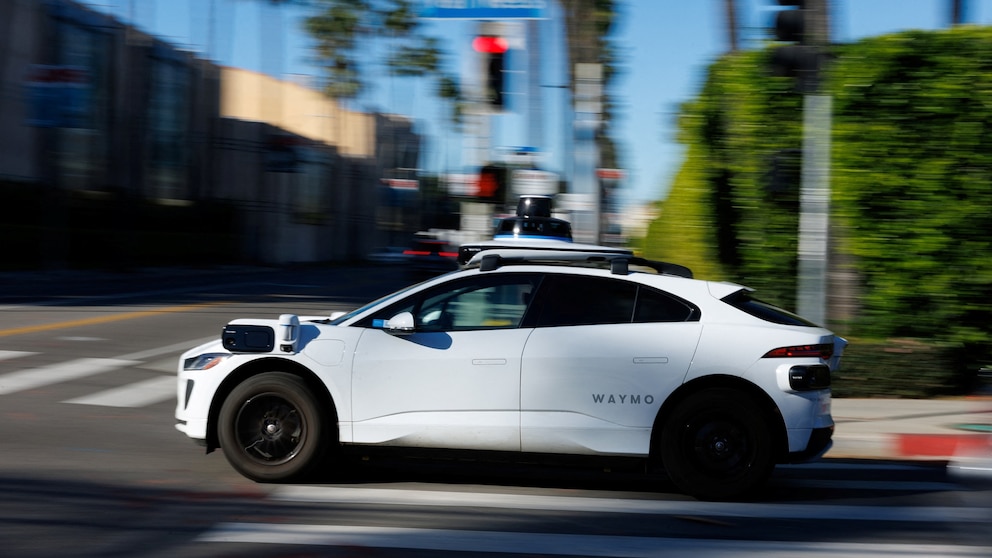
A Waymo autonomous vehicle struck a child at a California elementary school, prompting the California DMV to launch an official investigation into the incident. The accident represents what authorities describe as the first reported case of a robotaxi striking a child at a school location, raising new questions about autonomous vehicle safety as the technology continues to expand across American cities.
Waymo confirmed the incident and stated it is cooperating fully with the investigation. The company emphasized its commitment to safety while acknowledging the seriousness of the situation. The victim was transported for medical evaluation, though specific details about injuries remain limited pending the investigation.
The accident occurs at a moment when Waymo and other autonomous vehicle companies have been expanding robotaxi services across multiple metropolitan areas. Safety concerns have persisted alongside the commercial rollout, with incidents involving autonomous vehicles drawing heightened scrutiny from regulators and the public.

The California DMV investigation represents a formal regulatory response that could affect Waymo's operating permits in the state. The agency has authority to suspend or modify autonomous vehicle testing permissions based on investigation findings.
Incident Details
The collision occurred on school grounds or in the immediate vicinity of an elementary school in Santa Monica during hours when children were present. School zones present particular challenges for autonomous vehicles due to unpredictable pedestrian behavior and the frequent presence of children near roadways.
Waymo's autonomous system uses a combination of sensors including lidar, radar, and cameras to detect and respond to surrounding objects and individuals. The system is designed to identify pedestrians and exercise caution around schools and other high-pedestrian areas.
The specific circumstances that led to the collision remain under investigation. According to the NHTSA, the child ran across the street from behind a double parked SUV towards the school and was struck by the Waymo AV. After the vehicle made contact, the child stood up and walked to the sidewalk.
First responders arriving at the scene found the autonomous vehicle stationary with the child nearby. Waymo's remote operators were likely notified of the incident and may have provided support during the emergency response.
Regulatory Response
The California DMV investigation signals serious regulatory concern about the incident. The agency maintains oversight authority over autonomous vehicle testing and deployment in California and can take enforcement action based on safety findings.
The agency has collaborated with NHTSA and the National Transportation Safety Board in their investigations. The NHTSA investigation will examine whether the self-driving vehicle exercised appropriate caution given its proximity to the elementary school during drop off hours, and the presence of young pedestrians and other potential vulnerable road users.
Investigation timelines vary depending on complexity, with some autonomous vehicle investigations taking months to conclude. The DMV may request data from Waymo including sensor logs, vehicle diagnostics, and communications between the vehicle and remote operators.
Waymo's current California permits allow for driverless testing and deployment under specific conditions. Any permit modifications or restrictions resulting from this investigation could affect the company's commercial operations in its home state.
Safety Record Context
Waymo has generally maintained a strong safety record relative to human drivers, with the company frequently citing data showing fewer accidents and injuries compared to conventional vehicles. However, the severity of incidents involving children generates particular concern regardless of statistical context.

Previous Waymo incidents have included minor collisions and cases where vehicles exhibited confusing behavior, but this appears to be the first involving a child at a school. The uniqueness of the circumstances makes the incident especially significant for regulatory assessment.
The Austin Independent School District previously identified at least 19 incidents where Waymo vehicles passed its school buses, demanding that Waymo stop using its driverless vehicles during school bus hours in Austin until safety concerns could be resolved.
The broader autonomous vehicle industry has faced scrutiny following accidents involving pedestrians and cyclists. Each high-profile incident influences public perception and regulatory attitude toward the technology.
Industry Implications
The Waymo accident arrives as robotaxi services have been expanding across multiple cities following years of testing. Commercial deployments in San Francisco, Phoenix, and Los Angeles have demonstrated growing acceptance among some passengers while drawing criticism from others.
Waymo is now providing 500,000 paid robotaxi rides every week across 10 U.S. cities. The expansion comes as the company raised $16 billion in a funding round that valued it at $126 billion.
Safety concerns have created political tensions in cities where robotaxis operate. Labor unions and some community groups have opposed autonomous vehicle expansion, citing both safety concerns and potential job displacement for professional drivers.

The incident may strengthen arguments for stricter regulation of autonomous vehicles, particularly around vulnerable populations including children. Opponents of robotaxi expansion will likely use the accident to renew calls for bans or moratoriums.
Investor sentiment regarding autonomous vehicle stocks could be affected if the investigation reveals systemic safety concerns. Waymo parent Alphabet has invested billions in the technology, and commercial success depends partly on public trust in safety.
Company Position
Waymo has stated that safety remains its top priority and that the company takes all incidents seriously. The company has cooperated with investigators and committed to sharing relevant information as the inquiry proceeds.
Communications from Waymo have emphasized the company's extensive safety testing and operational protocols. Waymo noted that its vehicles follow the speed limit, unlike many humans in a school zone.
Waymo reported that the child sustained minor injuries and that it reported the incident to the NHTSA the day it occurred. The company stated it will cooperate fully throughout the investigation process.
The incident creates reputational risk that extends beyond regulatory consequences. Waymo has positioned itself as the safety leader in autonomous vehicles, and any perception that this position is unwarranted could affect commercial relationships.
Future Operations
California represents a critical market for Waymo both commercially and strategically. Any regulatory action limiting operations would affect the company's ability to serve passengers and collect data in complex urban environments.
The company had been preparing to launch services in additional cities, including Dallas, Denver, Nashville, Orlando, and Washington D.C., as well as London, its first international market. Those timelines could be affected by regulatory responses to this incident.
Other jurisdictions where Waymo operates will likely monitor the California investigation for indicators of how to proceed with their own regulatory oversight. The incident could prompt reviews of autonomous vehicle policies in multiple states.
The incident underscores the challenges of deploying autonomous systems in unpredictable real-world environments. Edge cases involving children and schools represent scenarios that are difficult to anticipate and program for effectively.
The autonomous vehicle industry more broadly may face increased scrutiny following this incident. Companies operating robotaxi services will likely emphasize their safety records while acknowledging that the technology remains imperfect.
The BossBlog Daily
Essential insights on AI, Finance, and Tech. Delivered every morning. No noise.
Unsubscribe anytime. No spam.
Tools mentioned
AffiliateSelected partner tools related to this topic.
AI Copilot Suite
Content drafting, summarization, and workflow automation.
Try AI Copilot →
AI Model Monitoring
Track model quality, latency, and drift with alerts.
View Monitoring Tool →
Low-fee Global Broker
Multi-market access with transparent pricing.
Open Broker Account →
Some links above are affiliate links. We earn a commission if you sign up through them, at no extra cost to you. Affiliate revenue does not influence editorial coverage. See methodology.