
Oil prices surged past $100 per barrel for the first time since 2022 as geopolitical tensions reached new heights in the Middle East. US crude closed at $106.44 per barrel while Brent crude posted a record monthly gain, up nearly 60 percent for the month, as Iran moved to effectively close the Strait of Hormuz.
The Strait of Hormuz represents one of the world's most critical energy chokepoints, with approximately one-fifth of global oil supply flowing through its waters. Iran's action has sent shockwaves through global energy markets, prompting emergency responses from consumer nations and threatening significant economic consequences worldwide.
President Donald Trump threatened further escalation against Iran's energy infrastructure, escalating an already volatile situation. The combination of military action and threatened retaliation has created unprecedented uncertainty in global oil markets.
Energy analysts are warning that prices could climb to $200 per barrel if the Hormuz disruption continues. The conflict shows few signs of immediate resolution as both sides maintain aggressive postures.
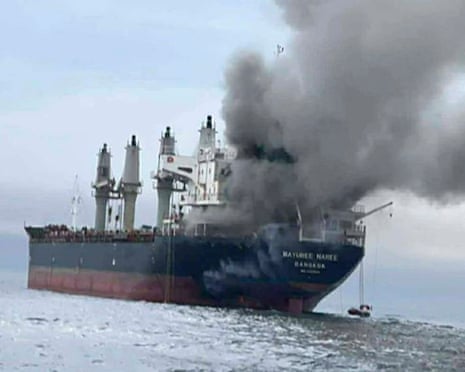
Strait of Hormuz Significance
The Strait of Hormuz handles roughly 20 million barrels of oil per day, making it the world's most important oil transit chokepoint. Any disruption to shipping through the strait immediately affects global energy prices and supply chains.
The waterway sits between Oman and Iran, with the Islamic Republic controlling the northern approaches. Iran's Revolutionary Guard naval forces have extensive capabilities to monitor and Interdict vessels in the area.
Historical tanker wars during the 1980s Iran-Iraq conflict demonstrated Iran's willingness and ability to attack commercial shipping in the strait. Those attacks ultimately required significant international naval protection for tanker convoys.
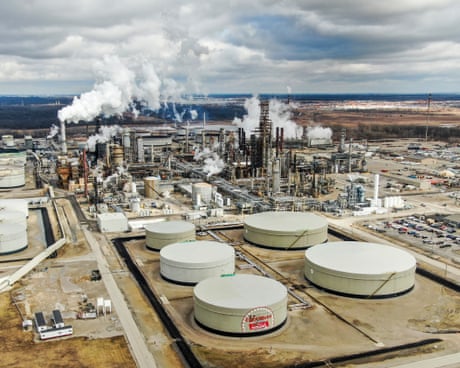
The current situation differs from the 1980s tanker wars in its speed and scope of disruption. Iran appears to have moved more rapidly to establish control over strait traffic than in previous confrontations.
Energy traders and analysts are struggling to price the risk premium associated with extended disruption. The uncertainty surrounding the conflict's duration makes accurate forecasting particularly challenging.
Price Impact Analysis
The breach of the $100 mark represents a psychological threshold that intensifies market attention on energy markets. Previous periods of oil above $100 have coincided with significant economic headwinds for importing nations.
The International Energy Agency announced the largest emergency release of crude reserves in history, with member countries committing to release 400 million barrels. Markets largely shrugged at the announcement, signaling deep skepticism about whether such releases can offset Hormuz-related supply disruptions.
Analysts estimate the IEA reserve release could cover at most one-quarter of the potential daily supply gap from Hormuz closure. The math highlights the scale of the challenge facing energy markets.

Brent crude's record monthly gain of nearly 60 percent represents extraordinary movement for a commodity benchmark. Such gains typically occur only during major geopolitical disruptions.
WTI prices at $106.44 translate directly into higher gasoline and diesel costs for American consumers. The political implications of sustained high energy prices create pressure on the administration from multiple directions.
Global Economic Implications
Rising oil prices threaten to reignite inflation pressures that central banks have only recently brought under control. Higher energy costs feed through into transportation, manufacturing, and virtually every economic activity that depends on logistics.
Emerging market economies face particular vulnerability given their typically higher energy intensity and limited financial buffers. Countries that subsidize fuel prices risk fiscal strain while those that allow pass-through face social unrest.
Global trade routes may shift to avoid Hormuz transit, adding time and cost to shipments between Middle East producers and Asian consumers. The Cape of Good Hope routing becomes more attractive if insurance costs for Hormuz transit rise sufficiently.
The conflict arrives at a delicate moment for the global economy, which had been anticipating continued disinflation. Energy price shocks present a direct challenge to that optimistic outlook.
Iran Strategic Calculus
Iran's closure of Hormuz represents a significant escalation designed to maximize Western discomfort with the conflict. By threatening global oil supply, Iran aims to generate international pressure for ceasefire negotiations.
Previous Iranian strategies during the 1980s tanker wars demonstrated that such tactics could succeed in attracting international attention and eventually negotiated settlements. Iran appears to be applying similar logic to the current confrontation.
The Revolutionary Guard's naval capabilities have expanded significantly since the 1980s, providing Iran with more sophisticated tools for strait interdiction. Satellite surveillance and anti-ship missiles create a layered defense that complicates any potential military response.
Iran's leadership appears willing to accept significant economic pain from sanctions and conflict in exchange for what it perceives as strategic objectives. The Hormuz action signals that Iran views the current confrontation as existential.
Energy Transition Implications
The oil price shock arrives as the global energy transition continues to accelerate. High fossil fuel prices paradoxically support transition investments by improving the economics of renewable alternatives.
Electric vehicle adoption may receive additional impetus from sustained high gasoline prices. Consumer behavior shifts in response to fuel costs have historically accelerated during periods of oil price spikes.
The conflict underscores the vulnerability of global energy systems to geopolitical disruption. Energy security concerns may intensify interest in domestic production and strategic reserves.
Investment in alternative energy infrastructure receives indirect support when fossil fuel prices rise. The current crisis may accelerate capital allocation toward diversified energy sources.
Market Outlook
Goldman Sachs analysts expect Brent crude to average above $100 for the current month before declining to $85 in April. The bank assumes some moderation of Hormuz-related disruption in its forecast.
UBS strategists revised their year-end Brent forecast upward to $85 from $67, acknowledging that the previous outlook failed to account for potential Middle East escalation.
Onyx Capital Group CEO Greg Newman noted that traders should not be surprised if prices climb to $200 per barrel given the scope of the supply shock and the uncertainty surrounding conflict resolution.
Trump's stated view that elevated oil prices represent a small price to pay for confronting Iran suggests administration tolerance for energy market disruption as a policy tool.
The conflict's duration and intensity will determine whether current price levels represent a temporary spike or the beginning of a sustained structural shift in energy markets. Resolution of the Hormuz situation would likely trigger significant price relief.
The BossBlog Daily
One email with the AI markets brief — the 13F moves, the Congressional trades, and what changed. No fixed schedule and no filler: it goes out when there is something worth sending.
Unsubscribe any time. We never sell or share the list.